V-Comb Styling Brush: Sleek Ponytails, Smooth Flyaways
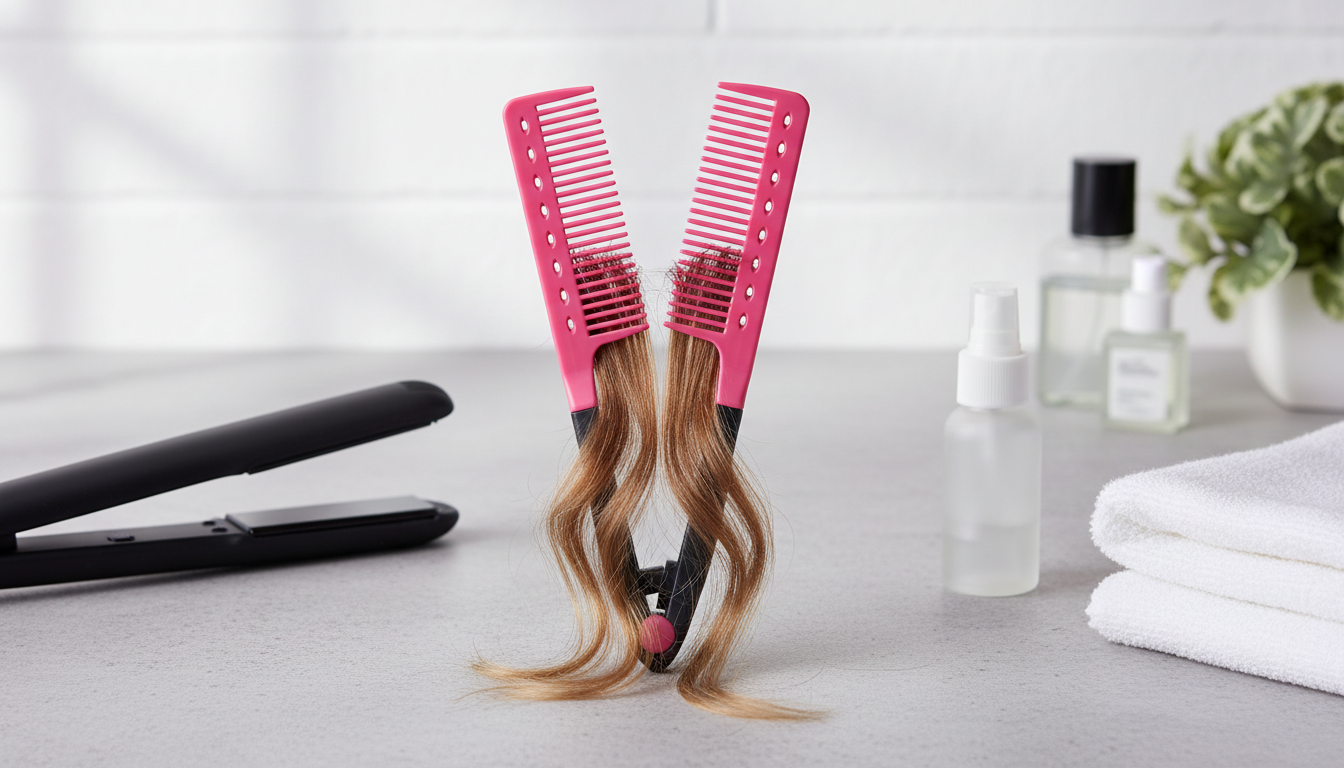
Straight Hair V-Comb Styling Brush for Smooth, Sleek Results
A V-comb styling brush is designed to guide hair into a neat, controlled shape while reducing puffiness and flyaways. It’s a practical option for quick touch-ups, smoothing short layers, refining edges, and getting a cleaner finish for ponytails, buns, and straight styles—without the time and heat of repeated flat-iron passes. For more guidance, see Best Hot Combs, Tested and Reviewed.
When used with light tension and minimal product, a V-comb brush can help align the outer layer of hair for a more “finished” look, especially on mornings when your hair has a few bends, bumps, or halo frizz from sleep. For further reading, see How To Straighten Your Hair.
What a V-Comb Styling Brush Does Differently
- V-shaped design: Helps funnel hair into a consistent path, making it easier to align strands while brushing.
- Quick smoothing for everyday looks: Helpful for work-ready parts, sleek ponytails, polished ends, and refining baby hairs.
- Finishing tool function: Useful after blow-drying or air-drying to tame surface frizz and lift tangles gently.
- More even product spread: Helps distribute lightweight styling products through the outer layer instead of leaving concentrated spots.
For overall hair health, gentle handling matters just as much as the tool. If hair is fragile or prone to breakage, focus on detangling from the ends first and keeping tension light—tips echoed in general hair-care guidance from the American Academy of Dermatology Association.
Best Uses for a Smooth, Sleek Finish
- Fast morning reset: Brush from crown to ends in small sections to reduce uneven puffiness from sleep.
- Sleek ponytail and bun prep: Smooth the top layer toward the tie point, then refine around the hairline for a cleaner perimeter.
- Bangs and face-framing pieces: Use short strokes to guide direction without over-fluffing.
- Post-styling polish: After a blowout or straightening, glide lightly over the surface layer to align flyaways without flattening everything.
If you’re aiming for a “snatched” ponytail or clean bun base, the biggest difference usually comes from working in smaller sections and brushing with consistent direction—rather than trying to force everything into place in one pass.
How to Use It for a Sleeker Look (Without Overdoing Product)
- Start on dry or slightly damp hair: Detangle ends first, then move upward to reduce snagging.
- Work in narrow sections: Smooth from the root area toward ends, keeping gentle, even tension.
- Flyaway control with less buildup: Apply a tiny amount of serum, wax stick, or hairspray to hands first, then smooth with the brush to avoid product collecting at the roots.
- Sleek ponytail method: Brush crown and sides toward the ponytail point, secure the tie, then refine the perimeter with light passes.
- Humidity finish: Use a soft-hold spray from a distance; avoid saturating the top layer.
Overusing product is one of the fastest ways to lose that clean finish—especially on fine hair. A small amount placed on the hands first gives more control and helps prevent stiff, shiny patches. For additional breakage-prevention habits (like reducing friction and avoiding aggressive brushing), Cleveland Clinic’s overview on hair breakage causes and prevention is a helpful reference.
Who It’s For (Hair Types & Styling Goals)
- Straight to wavy hair: Helps create a more uniform surface finish and neater parts, especially for quick daily styling.
- Thick hair: Useful for taming the outer layer and guiding hair into tighter ponytails and buns; take smaller sections for the smoothest result.
- Fine hair: Best used with minimal product and light pressure to keep volume from collapsing.
- Curly/coily hair: Can be used for smoothing edges and prepping updos; detangle first with a curl-friendly tool to reduce breakage risk.
If your priority is polished edges and a neat silhouette (rather than maximum volume), a V-comb styling brush is often more satisfying than a basic brush alone.
V-Comb Brush vs. Common Alternatives
Different smoothing tools shine in different situations. If your goal is a sleek finish with less fuss, it helps to match the tool to the job.
Quick comparison of smoothing tools
| Tool | Best for | Watch-outs |
|---|---|---|
| V-comb styling brush | Sleek ponytails, surface smoothing, quick polish | Use gentle tension; avoid heavy product buildup at roots |
| Paddle brush | Overall detangling and blow-dry smoothing | Less precision for edges and tight updos |
| Fine-tooth comb | Sharp parts, edges, detailed styling | Can snag if hair isn’t pre-detangled |
| Boar bristle brush | Shine, distributing oils, smoothing flyaways | May be slow on thick hair; can cause static if overused |
Care, Cleaning, and Longevity
- Remove shed hair after each use: Keeps brushing smooth and more hygienic.
- Wash periodically: Use lukewarm water and mild soap, rinse thoroughly, and air-dry completely.
- Avoid high heat exposure: Don’t rest the brush on hot tools or near heaters to prevent warping.
- Clean more often with hairspray use: Sticky residue can increase tugging, especially near the hairline.
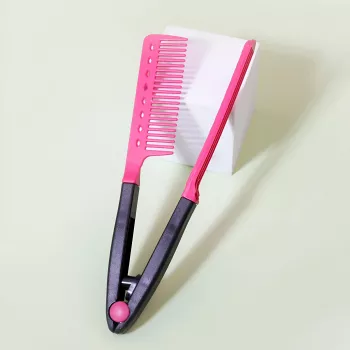
Product Spotlight: Straight Hair V-Comb Styling Brush
Straight Hair V-Comb Styling Brush for Smooth, Sleek Results
More In-Stock Picks to Pair With Your Routine
- The Anxiety Relief Bundle: A Path to Calm | 4-in-1 Bundle
- Homework Help Made Easy Toolkit for Parents – Printable Guide
FAQ
Can a V-comb brush help reduce flyaways without making hair look greasy?
Yes—use minimal product, apply it to your hands first (or mist lightly from a distance), then smooth with gentle passes so product doesn’t concentrate at the roots.
Is a V-comb styling brush suitable for thick hair?
It can be effective for smoothing the top layer and guiding hair into ponytails and buns. For best results, detangle first and work in smaller sections to prevent snagging.
Should it be used on wet hair?
It’s best on dry or slightly damp hair for smoothing. If hair is very wet and fragile, use a wet-friendly detangler first, then finish with the V-comb for polish.









Leave a comment