Portable 12V Digital Tire Inflator: Car, Moto & Bike
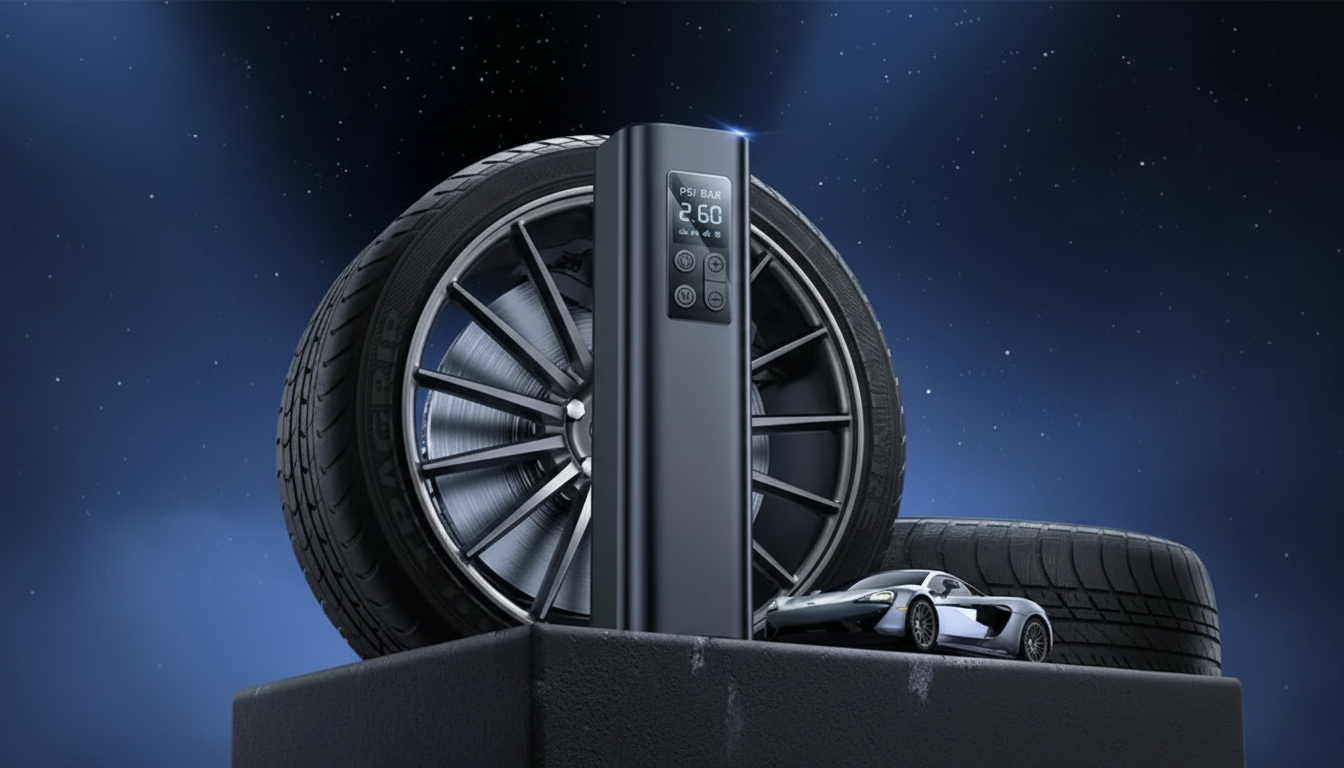
Portable 12V Digital Air Compressor for Car, Motorcycle & Bike Tires: Practical Buying and Use Guide
Keeping tires at the right pressure improves handling, braking, comfort, and tire life. A portable 12V digital air compressor makes it easier to top off at home, in a parking lot, or on the roadside—especially when temperature swings or slow leaks cause frequent pressure drops. With a clear digital readout and vehicle-powered convenience, it’s one of those tools that quietly earns its spot in the trunk or saddlebag.
When a portable 12V compressor is most useful
- Season changes: Tire pressure commonly drops as temperatures fall, so quick top-offs can prevent low-pressure driving.
- Slow leaks: Useful for getting safely to a repair shop without repeatedly searching for a working air station.
- Mixed garage needs: Works for cars, motorcycles, and many bicycle tires (with the right valve adapter) without relying on a shop compressor.
- Roadside readiness: Helpful if a spare tire needs air, or if a repaired tire needs reinflation after a plug.
- Trip prep: A fast check-and-top-off before a long drive can reduce uneven wear and improve stability.
For a quick refresher on why this matters, the NHTSA tire safety guidance highlights how proper inflation supports safer driving and helps avoid premature wear.
Features that matter for cars, motorcycles, and bikes
- Digital gauge readability: A clear display helps set the exact target pressure, especially at night or in bad weather.
- Auto shutoff: Stops inflation at the set pressure to reduce overinflation risk and simplify use when multitasking.
- Accuracy and consistency: Look for stable readings that don’t jump around during inflation; re-check after a short pause for best results.
- Power and connection: 12V compressors typically plug into a vehicle power socket; confirm cord length is enough to reach all tires.
- Airflow vs. top-off speed: Higher airflow reduces time, but even moderate flow is fine for routine top-offs and smaller tires.
- Heat management and duty cycle: Compressors warm up during use; models with sensible duty cycles handle multiple tires without overheating.
- Nozzle and adapter set: For motorcycles and bikes, valve compatibility (Schrader vs. Presta) and included adapters can be the difference between convenient and frustrating.
If you want a deeper explanation of how inflation affects wear and ride quality, Bridgestone’s tire pressure guide and Tire Rack’s overview are helpful references.
How to inflate tires accurately (without guessing)
- Use the vehicle’s recommended pressure: For cars, check the driver-door jamb placard; for motorcycles, use the owner’s manual or swingarm label; for bicycles, check the sidewall range and ride preference.
- Measure when tires are cold: Readings rise after riding/driving. If tires are warm, treat the reading as “hot” and avoid bleeding air to match a cold spec.
- Attach firmly and listen: A hissing sound often means an imperfect seal at the valve connection; reseat before inflating.
- Inflate in short bursts if needed: For small-volume tires (motorcycle/bike), short bursts help avoid overshooting, even with auto shutoff as a backstop.
- Verify after stopping: Wait 10–20 seconds after inflation to let pressure stabilize, then re-check and adjust.
- Cap the valve: Replace valve caps to reduce dirt ingress and slow leaks at the valve core.
Practical tip for mixed use: set your target PSI first, then work one tire at a time. On bikes with Presta valves, confirm you have the correct adapter before you start—otherwise you’ll get a “works on paper, not in real life” situation at the curb.
Safety, storage, and long-term reliability
Quick comparison: portable compressor vs. other ways to add air
| Option | Best for | Pros | Trade-offs |
|---|---|---|---|
| 12V digital compressor | Cars, motorcycles, many bikes (with adapters) | Precise target setting; reusable; good for multiple tires | Needs vehicle power; can heat up during extended use |
| CO2 cartridges | Bikes, quick emergency boost | Very compact; fast bursts | Limited air per cartridge; recurring cost; less control |
| Gas-station air | Occasional top-offs on the road | No equipment to carry | Inconsistent availability/accuracy; may cost money |
| Manual pump | Bicycles, small inflations | No electricity; lightweight | Slow for high-volume tires; more effort |
Product options in stock
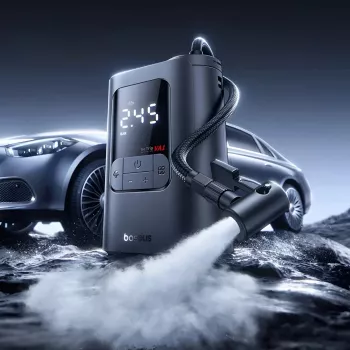
- Portable 12V Digital Air Compressor for Car, Motorcycle & Bike Tires — A compact solution for topping off pressure with a digital readout and vehicle-powered convenience. Before purchase/use, confirm bicycle valve compatibility (Presta may require an adapter) and make sure the power cord reaches all wheels on your vehicle.
- The Smart Traveler’s Guide to Global Etiquette | Digital Download eBook — A handy add-on for international trips where rentals, local driving norms, and roadside expectations can differ from what you’re used to.
- The Anxiety Relief Bundle: A Path to Calm | 4-in-1 Bundle — Useful to keep on hand for stressful travel days or unexpected roadside delays, especially if you prefer guided coping tools.
FAQ
Can a 12V air compressor inflate a motorcycle tire and a bicycle tire?
Yes for motorcycle tires (typically Schrader). For many bicycles it can work, but Presta valves usually need an adapter; confirm included adapters or plan to add one.
What PSI should tires be inflated to?
Use the vehicle’s recommended specification (door-jamb placard for cars; manual/label for motorcycles). For bicycles, use the tire sidewall range and ride needs while staying within that range.
Why does tire pressure change after driving or riding?
Heat increases pressure. Check and set pressure when tires are cold for the most consistent results; avoid deflating warm tires to match a cold spec.









Leave a comment