Durable Dog Chew Stick for Calm Training & Enrichment
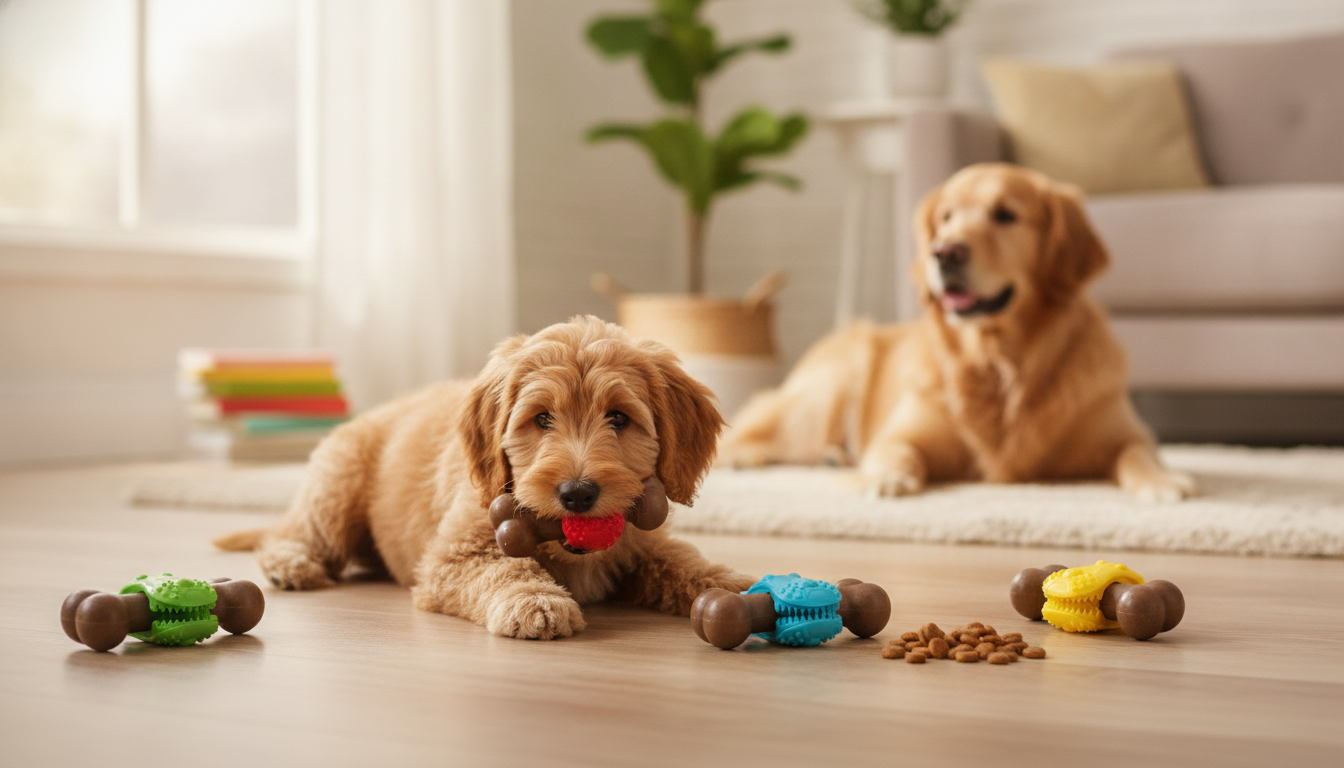
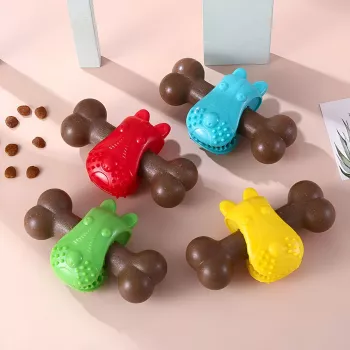
Durable Dog Chew & IQ Training Stick for Puppies and Adult Dogs
A good chew toy can do more than satisfy gnawing—it can help channel energy, build focus, and turn boredom into a simple training opportunity. This durable chew and IQ training stick is designed for everyday play with puppies and adult dogs, supporting calm chewing, reward-based games, and interactive routines at home.
What This Training Stick Helps With
Some dogs chew because they’re teething, some because they’re bored, and some because they’ve learned that grabbing the wrong item gets a big reaction. A dedicated chew-and-train stick gives you a consistent “yes” object you can offer before a dog makes their own choice.
- Redirecting chewing away from shoes, furniture, and hands by offering an acceptable outlet
- Supporting basic mental engagement through simple “find it” and reward-style games
- Encouraging calmer downtime after walks, training sessions, or meals
- Adding structure to play for dogs that get overstimulated by soft toys
- Providing a consistent object for routine-based training cues (take, hold, drop)
For puppy teething support and safe management tips, the ASPCA’s teething puppy guidance is a helpful reference for what’s normal, what to watch for, and how to keep chewing constructive.
Who It’s Best For (and When to Skip It)
Not every chew toy fits every dog. The goal is steady, safe engagement—without turning chewing into a frantic, nonstop habit.
- Puppies: helpful for teething phases when paired with supervision and short sessions
- Adult dogs: useful for dogs that enjoy chewing and benefit from light problem-solving
- Busy households: works well as a quick enrichment option between longer activities
- Skip or limit use for aggressive power chewers if the toy shows damage quickly—replace at first signs of cracking, sharp edges, or pieces coming loose
- Not a substitute for exercise: combine with walks, sniff time, and training for best results
If your dog tends to “get big feelings” around toys—grabbing, guarding, or spiraling into overarousal—lean on reward-based methods and clear routines. The AVSAB position statements offer a solid, humane framework for training approaches that prioritize safety and learning.
Simple IQ Games to Try (5–10 Minutes)
Short sessions work best. The stick becomes more valuable when it predicts a calm routine: focus, a few repetitions, then an easy finish.
- Reward hide-and-seek: show the stick, cue “wait,” hide it nearby, then cue “find” and reward calm discovery
- Trade game: cue “drop,” offer a treat, return the stick; builds impulse control and reduces resource guarding habits
- Target and carry: ask for a nose touch to the stick, then brief “hold” and “drop” to build focus
- Settle routine: offer the stick on a mat/bed after a walk; reward quiet chewing to reinforce calm behavior
- Rotate and rest: put the toy away between sessions to keep novelty high and reduce obsessive chewing
If you want more ideas for enriching play that doesn’t rely on nonstop throwing or tug, the RSPCA’s toys and games guidance includes practical suggestions for variety and safe interaction.
Durability, Safety, and Supervision Basics
Even a durable chew toy isn’t “set it and forget it.” Safety comes from matching the toy to your dog’s chewing style and inspecting it often—especially during the first week of use.
- Always supervise new toys until chewing style is known (gentle nibbling vs. hard crunching)
- Check the surface before each use; discard if cracks, sharp edges, or loose fragments appear
- Match the toy size to the dog’s mouth: too small increases choking risk; too large may frustrate puppies
- Keep sessions short for young puppies to avoid gum irritation and overstimulation
- Wash and dry regularly to reduce grime buildup—especially if used outdoors
Quick Product Snapshot
For a simple, budget-friendly way to add structure to chewing and introduce quick training games, this stick is an easy entry point—especially for households that want enrichment without setting up a complex puzzle feeder every time.
| Detail | Info |
|---|---|
| Name | Durable Dog Chew & IQ Training Stick for Puppies and Adult Dogs |
| Price | $5.32 USD |
| Availability | In stock |
| Best use | Chewing + short enrichment/training routines |
If you’re also building calmer household routines around training (especially during stressful life seasons), the Anxiety Relief Bundle: A Path to Calm can complement a more consistent day-to-day rhythm—helpful for keeping sessions patient, predictable, and short.
How to Introduce It Without Creating Overexcitement
The first few sessions set the tone. The goal is “focused and satisfied,” not “amped and possessive.”
- Start with a calm presentation: ask for a sit, then offer the stick as a reward
- Reinforce gentle chewing: reward relaxed posture and quiet engagement
- If the dog tries to sprint off or guard it: switch to a short “trade” routine and end the session early
- Use clear boundaries: toy comes out for sessions and is stored away afterward
- Combine with a consistent cue: use a phrase like “chew time” to make the routine predictable
With puppies, keep your expectations small: a few seconds of calm chewing, a quick trade, then put it away. Multiple mini-sessions beat one long session that ends in frantic biting.
Common Mistakes to Avoid
FAQ
Is this suitable for teething puppies?
Yes, for supervised, short sessions. Pick an appropriate size for your puppy, monitor for overly intense chewing, and inspect the surface frequently so you can replace it at the first signs of damage.
How often should the training stick be replaced?
Replace it immediately if you see cracks, sharp edges, or pieces coming loose. Otherwise, replace it when the surface becomes rough, deeply scored, or noticeably worn from repeated chewing.
Can this help with boredom or destructive chewing?
It can help redirect chewing and add a simple enrichment routine, especially when used in short games and settle sessions. For best results, pair it with daily exercise, sniff time, reward-based training, and rotating activities.







Leave a comment