Self-Love & Worthiness Audio Course for Calm Confidence
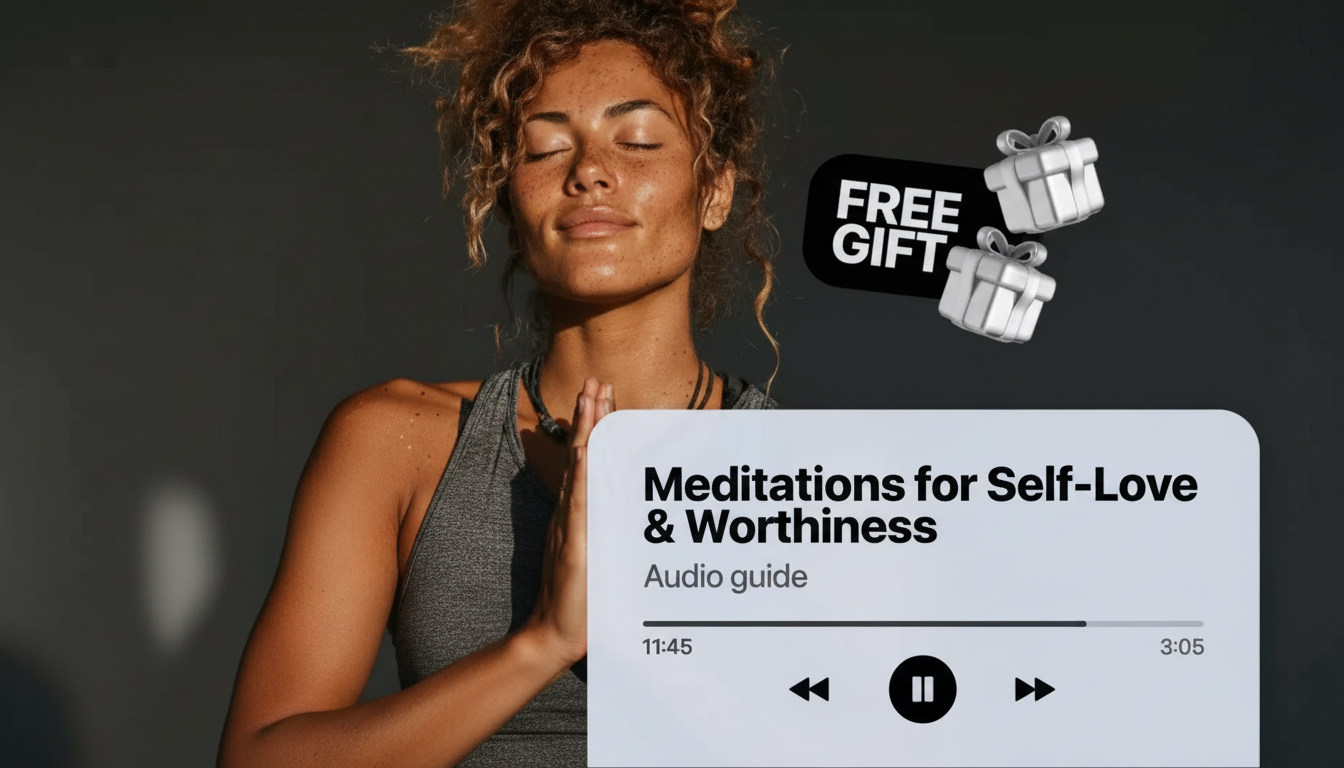
Feeling “Not Enough”? A Gentle Audio Path Back to Self-Love and Worthiness
Feeling unworthy can show up as harsh self-talk, people-pleasing, anxiety, and a persistent sense of “not enough.” A structured audio course that blends guided meditations, affirmations, and mindfulness can help retrain attention, soften inner criticism, and build a steadier baseline of self-respect—one short practice at a time. If you do best with supportive guidance (rather than trying to “figure it out” on your own), audio practices can create a simple rhythm: press play, come back to your body, and practice relating to yourself with more care.
What “self-love” and “worthiness” look like in daily life
Worthiness isn’t a trophy you earn once you’re perfect. It’s an internal stance: the belief that you deserve care and respect even while you’re still growing, learning, and healing. When worthiness is low, everyday moments can feel heavier—like you’re constantly proving yourself or bracing for rejection.
Common signs of low worthiness can include comparing yourself to others, over-apologizing, struggling to receive compliments, or feeling afraid to take up space. Self-love, on the other hand, is less of a mood and more of a skill set: attention training, emotional regulation, kinder self-talk, and healthier boundaries.
Audio guidance can help because it reduces decision fatigue. You don’t have to choose what to do, how long to do it, or whether you’re “doing it right.” You’re simply led—consistently—back to the practices that build steadiness over time.
How guided meditations, affirmations, and mindfulness work together
Each method supports a different layer of change, and they tend to work best as a trio:
- Guided meditation uses breath, imagery, and body awareness to calm the nervous system and create a felt sense of safety—often the foundation for self-kindness.
- Mindfulness builds the ability to notice thoughts and emotions without fusing with them. Instead of “I’m unworthy,” it becomes “I’m having the thought that I’m unworthy.”
- Affirmations can support new cognitive pathways when they’re paired with emotion, repetition, and realistic phrasing—statements that feel doable rather than forced.
An inner-healing focus matters, too: gently meeting shame, grief, and old stories with compassion instead of avoidance. Research and clinical overviews suggest mindfulness practices can support stress reduction and emotional regulation when used consistently and safely (see NCCIH and the American Psychological Association). For self-kindness specifically, self-compassion research highlights how warmth and understanding can build resilience over time (see Kristin Neff’s self-compassion research).
Consistency tends to matter more than duration. Five to fifteen minutes daily often reshapes your baseline more reliably than occasional long sessions.
Course at a glance: a simple weekly rhythm (example structure)
A practical structure is to repeat a cycle: calm the body first, then reframe self-talk, then integrate through reflection. Many people like morning sessions for confidence, mid-day sessions for a reset, and evening sessions for release and self-forgiveness.
Support tools can be simple: a quiet corner, a glass of water, a journal prompt, and a gentle phone reminder. Progress tracking can stay human and grounded—notice fewer spirals, quicker recovery after stress, improved boundaries, and a little more ease when receiving care.
Sample practice flow for self-love and worthiness
| Day | Practice Type | Focus | Time |
|---|---|---|---|
| Day 1 | Guided meditation | Grounding + safety in the body | 10–15 min |
| Day 2 | Mindfulness practice | Noticing inner critic without engaging | 5–10 min |
| Day 3 | Affirmations | Worthiness statements + receiving | 5–8 min |
| Day 4 | Guided meditation | Self-compassion + soothing touch/breath | 10–15 min |
| Day 5 | Mindfulness practice | Emotional regulation + urge surfing | 5–10 min |
| Day 6 | Affirmations | Confidence + calm before a challenge | 5–8 min |
| Day 7 | Integration | Reflection + intention setting | 10 min |
A practical way to use the audio course for confidence and calm
Start with a “minimum dose.” Commit to one track daily for seven days before adding extras. This keeps the habit small enough to stick, especially if motivation is low.
For confidence, pair a practice with a predictable trigger: before meetings, workouts, social plans, presentations, or difficult conversations. For calm, use reset-focused sessions after scrolling, after conflict, or when your body feels keyed up.
To support this rhythm, the Meditations for Self-Love & Worthiness audio course offers guided tracks that combine calming practices with worthiness-focused self-talk. If anxiety is a major barrier to consistency, pairing it with the Anxiety Relief Bundle: A Path to Calm can add extra structure through exercises and checklists that make “what do I do next?” feel clearer.
Affirmations that build worthiness without forcing positivity
Who this type of course is best for (and when to add extra support)
Common sticking points—and how to keep going gently
FAQ
How long should a self-love meditation practice be to see benefits?
Consistency usually matters more than duration. Five to fifteen minutes daily for 2–4 weeks is a practical starting point, especially if you track small changes like recovery time after stress, self-talk, and sleep quality.
What if affirmations feel fake or make self-criticism worse?
Use believable, incremental statements and “even though…” bridges to reduce resistance. If it still feels activating, switch to compassionate phrasing like “May I be kind to myself,” and return to mindfulness (noticing thoughts without arguing with them).
Can guided meditations help with anxiety and emotional overwhelm?
They can support calm and regulation by using breath, grounding, and attention training to settle the body. If anxiety is persistent or severe, guided practices work best alongside professional support rather than as a standalone solution.












Leave a comment