HD Indoor Security Camera: Night Vision + Two‑Way Talk
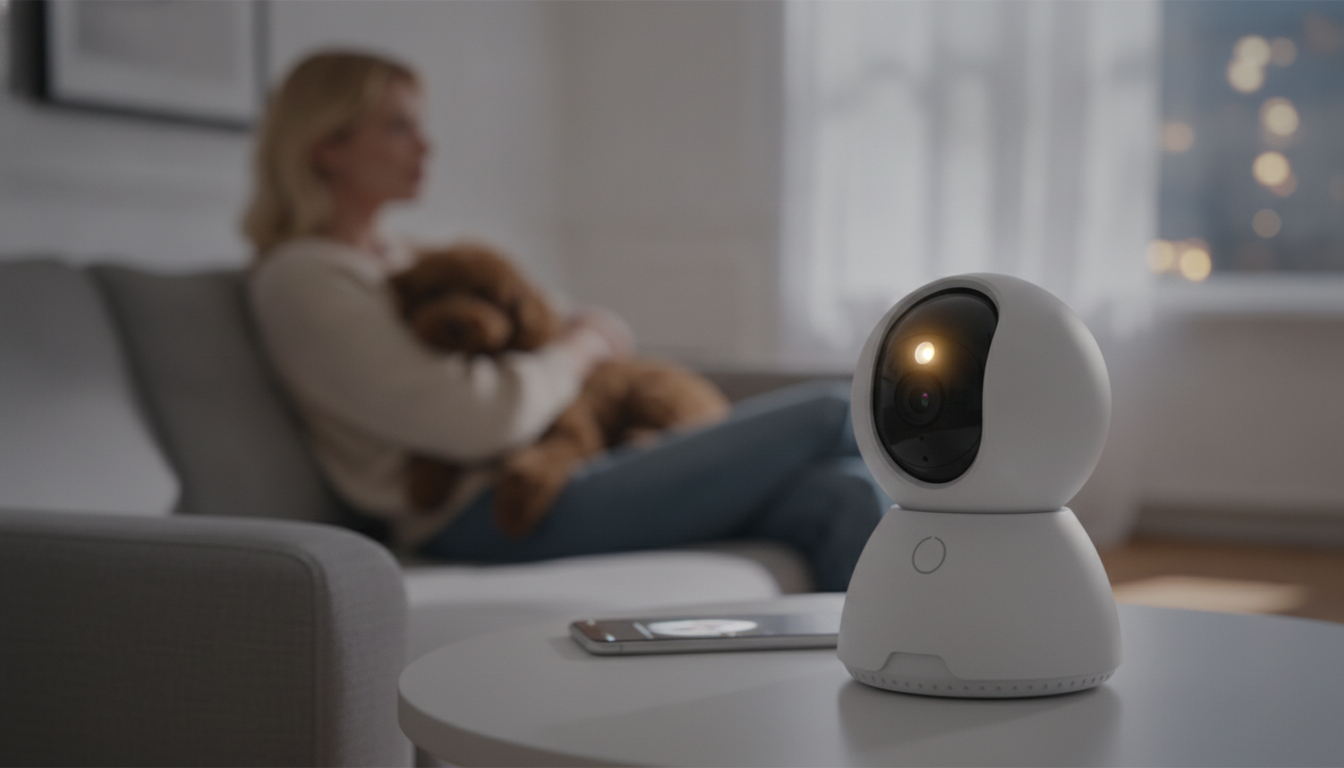
HD Smart Security Camera with Night Vision & Two-Way Talk for Everyday Home Monitoring
A compact indoor security camera can cover the essentials—clear video, visibility after dark, and the ability to speak and listen through the camera—without complicated setup. This guide breaks down what to expect from an HD smart security camera with night vision and two-way talk, how to place it for best results, and what to check before buying.
What This Camera Style Does Well
For everyday monitoring, an indoor HD smart camera is built to capture the moments that matter without turning your home into a full renovation project. When placed well, it can provide reliable visibility and quick check-ins while you’re at work, traveling, or simply in another room.
- Live HD video helps identify faces, packages, and activity in common areas like entryways and living rooms.
- Night vision maintains visibility when lights are off, useful for hallways, nurseries, and after-hours monitoring.
- Two-way talk enables quick communication with family members, guests, or service providers from a phone.
- Works well for apartments and rentals where drilling and wiring may be limited.
Key Features to Look For (and Why They Matter)
Most indoor cameras sound similar on paper, so the details are where the experience changes—especially at night or during motion. A few practical checks can help you avoid grainy clips, late notifications, or audio that’s hard to understand.
- Video resolution and frame rate: HD is the baseline; smoother motion capture reduces blur during movement.
- Night vision type and range: infrared night vision should cover the full room depth, not just a small circle near the lens.
- Audio quality: clear microphone pickup and a speaker loud enough to be understood from several feet away.
- Motion alerts: notifications should be timely and configurable to reduce nuisance alerts.
- App experience: straightforward onboarding, stable live view, and easy sharing with trusted household members.
- Power and placement: consider cable length, nearby outlets, and whether a shelf mount or wall mount is better.
- Privacy controls: options such as status indicators, microphone toggle, and scheduling help keep usage predictable.
Quick Checklist: Matching Features to Common Use Cases
Use cases influence placement and settings. A camera aimed at an entryway has different needs than one used for nighttime check-ins or pet monitoring. Use the quick guide below to match features with how the camera will be used most often.
| Use case | Most important features | Placement tip |
|---|---|---|
| Entryway monitoring | HD clarity, reliable alerts, night vision | Aim toward the door but avoid facing reflective glass directly |
| Nighttime check-ins | Infrared night vision, strong low-light focus | Keep lens away from lamps that can cause glare |
| Two-way communication | Clear mic, loud speaker, low audio delay | Mount at speaking height in the room |
| Pet watch | Alert sensitivity controls, stable live view | Angle toward the main pet area, not a spinning fan or TV |
Placement Tips for Clearer Video and Fewer False Alerts
Where the camera sits matters as much as the specs. A small angle change can improve face visibility, reduce glare, and cut down on “nothing happened” alerts.
- Mount higher than eye level and tilt downward to cover more floor area and reduce easy tampering.
- Avoid pointing directly at windows; backlighting can wash out daytime footage and cause night reflections.
- Keep the lens clean and away from dust sources (near vents or kitchens) to preserve sharpness.
- Reposition to exclude high-traffic background zones such as hallways, swaying curtains, or a busy TV screen if alerts are too frequent.
Night Vision and Two-Way Talk: Getting Better Results
Night vision and two-way audio are the “make or break” features for many homes. Small environmental changes can noticeably improve clarity and cut down on echoes or washed-out night footage.
Privacy and Home Network Basics
- Use a strong, unique Wi‑Fi password and keep the router firmware updated. The FTC overview on home Wi‑Fi security is a helpful baseline: FTC: Keep Your Smart Devices Secure.
- Enable multi-factor authentication in the camera app if available; it adds protection even if a password is reused elsewhere.
- Limit shared access to trusted users and review permissions periodically.
- Place indoor cameras thoughtfully—avoid bedrooms and sensitive areas unless there is a clear purpose and household consent.
For a deeper look at IoT security capabilities and recommended baselines, see NISTIR 8259A and CISA’s guidance on safer wireless setup: CISA: Securing Wireless Networks.
Product Snapshot
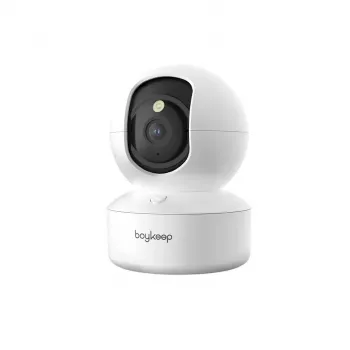
If the goal is a simple, indoor-friendly setup with clear video, after-dark visibility, and quick talk/listen check-ins, the HD Smart Security Camera with Night Vision & Two-Way Talk is a straightforward option for entryways, living rooms, nurseries, or pet check-ins.
| Item | Detail |
|---|---|
| Product | HD Smart Security Camera with Night Vision & Two-Way Talk |
| Price | 34.51 USD |
| Availability | In stock |
| Product page | View product |
- Homework Help Made Easy Toolkit for Parents – Printable Guide
- The Anxiety Relief Bundle: A Path to Calm (4-in-1 Bundle)
FAQ
Does night vision work in complete darkness?
Yes—infrared night vision is designed to work with the lights off, so the camera can still show the room in black-and-white. Clarity can drop if the lens faces reflective surfaces or glass that causes infrared glare.
How far away can two-way talk be heard clearly?
In a typical room, two-way talk is often most clear at conversational distances (roughly 3–10 feet), assuming the camera isn’t tucked into a corner. Placement and Wi‑Fi strength affect loudness and can introduce audio delay if the connection is weak.
How can false motion alerts be reduced?
Start by lowering sensitivity and adjusting the camera angle to avoid busy areas like windows, curtains, and screens. Repositioning to remove background traffic and keeping lighting consistent can also reduce nuisance notifications.











Leave a comment