Four-Legged Hooded Pet Parka: Warm Winter Walks

Cozy Coverage for Cold Walks: Why a Four-Legged Hooded Parka Matters
Cold, wind, and wet sidewalks can make winter walks uncomfortable for many pets—especially small breeds, short-haired dogs, senior pets, and cats that get chilled quickly. A four-legged hooded parka helps keep warmth in, reduces exposure on the chest and belly, and offers extra coverage that standard vests may miss. When temperatures drop and slush starts to fly, that extra protection can be the difference between a quick, stressful outing and a calm, confident walk.
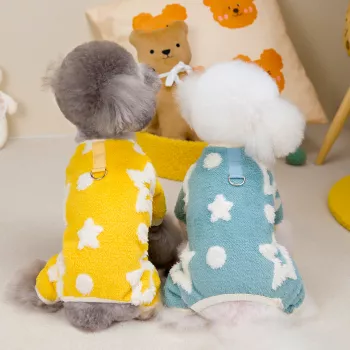
If you’re looking for a practical winter layer that covers more than the back, consider the Cozy Four-Legged Hooded Dog & Cat Parka for Winter. Full-body styles are especially helpful for pets that dislike cold wind on their legs or collect snowballs on feathered fur.
What Makes a Four-Legged Hooded Parka Different
A four-legged parka is designed to protect areas that many traditional coats leave exposed. Instead of stopping at the mid-belly or leaving legs bare, it extends coverage for more consistent warmth during windy, damp weather.
- Full-body coverage across chest, belly, and all four legs to reduce heat loss in windy weather.
- Hood protection around the neck and ears during brisk walks or when standing still outdoors.
- Better splash defense for slush and light rain compared with open-belly coats.
- Extra support for sensitive pets that shiver outdoors, hesitate on winter walks, or need added warmth after grooming.
Veterinary organizations also emphasize common-sense cold-weather precautions—like limiting exposure and watching for signs of discomfort—especially for vulnerable pets. Helpful seasonal safety guidance is available from the American Veterinary Medical Association (AVMA) and the American Kennel Club (AKC).
Choosing the Right Fit and Comfort Level
Fit is everything with four-legged gear. A parka that’s too tight can restrict movement and rub; one that’s too loose can twist, bunch, or cause tripping—especially on stairs or icy pavement.
- Measure neck, chest/girth (widest part), and back length; prioritize chest fit first for comfort and safety.
- Check leg openings: sleeves should allow a full stride without rubbing in the armpits or inner thighs.
- Leave room for a thin base layer if needed, but avoid a loose fit that twists or causes tripping.
- For cats, ensure the suit doesn’t restrict shoulder movement and can be removed quickly if the pet becomes stressed.
- If between sizes, choose the size that matches chest/girth and adjust with closures where possible.
Quick Measuring Guide for a Winter Parka
| Measurement | How to Measure | Fit Tip |
|---|---|---|
| Neck | Around the base of the neck where a collar sits | Should fit two fingers under the tape |
| Chest/Girth | Around the widest part of the ribcage | Most important number for comfort |
| Back Length | From base of neck to base of tail | Coat should cover back without riding up |
| Front Leg Area | Check sleeve reach when standing and stepping | Avoid tightness at armpits/shoulders |
Warmth, Weather Protection, and Everyday Practicality
Winter outerwear works best when it’s not only warm, but also wearable. The goal is a layer your pet can move in comfortably—whether it’s a quick potty break or a longer neighborhood walk.
- Look for a balance of insulation and breathability to prevent overheating during active walks.
- A hood and higher neck area help block wind, especially for small or short-coated pets.
- Four-legged coverage reduces snow clumping on fur and helps keep indoor floors cleaner after walks.
- Consider reflective details or brighter colors for shorter winter days and low-light visibility.
- For light precipitation, a weather-resistant outer layer helps, but prolonged rain may still require drying afterward.
If your winter routine already feels hectic, pairing a reliable pet parka with simple, calming habits can make the season easier to manage. Some pet parents also like keeping a structured self-care resource on hand—such as The Anxiety Relief Bundle: A Path to Calm—for stressful weather days and disrupted schedules.
How to Put It On (Without the Wrestling Match)
Four-legged coats can be a new sensation for pets, especially around the legs. A slow introduction builds trust and reduces the “freeze in place” reaction some pets have with full-coverage clothing.
- Start indoors: let the pet sniff the parka, then reward calm behavior before trying it on.
- Guide front legs first, then back legs; keep movements slow to avoid startling sensitive pets.
- Check alignment: seams should sit along the sides, not under the belly where they can chafe.
- Do a quick mobility test: have the pet take a few steps, sit, and turn to confirm free movement.
- For first-time wearers, begin with short sessions and gradually extend walk time.
If your pet seems unsure, pause and try again later rather than forcing it. Many pets adjust quickly once they learn the coat means “outside time,” treats, and warmth.
Care, Cleaning, and Seasonal Storage
For more cold-weather pointers, the ASPCA’s winter weather tips cover practical reminders like paw protection and limiting time outdoors when conditions are harsh.
When a Winter Parka Helps Most
FAQ
Can a four-legged parka be used for both dogs and cats?
Yes, as long as the fit supports natural shoulder and hip movement. For cats, introduce it calmly, keep sessions short at first, and make sure it can be removed quickly if your cat becomes stressed.
How tight should the sleeves and chest be?
The chest should feel snug with room for two fingers under the fabric. Sleeves should allow a full stride without rubbing at the armpits or inner thighs; check for any redness or chafing after the first few wears.
Is a hood safe for pets to wear outside?
A hood can help block wind, but it shouldn’t obstruct vision or reduce hearing. If the hood shifts or bothers your pet, fold it back or secure it so your pet stays aware and comfortable.










Leave a comment