Cute Winter Cartoon Jumpsuit: Small Dogs & Cats
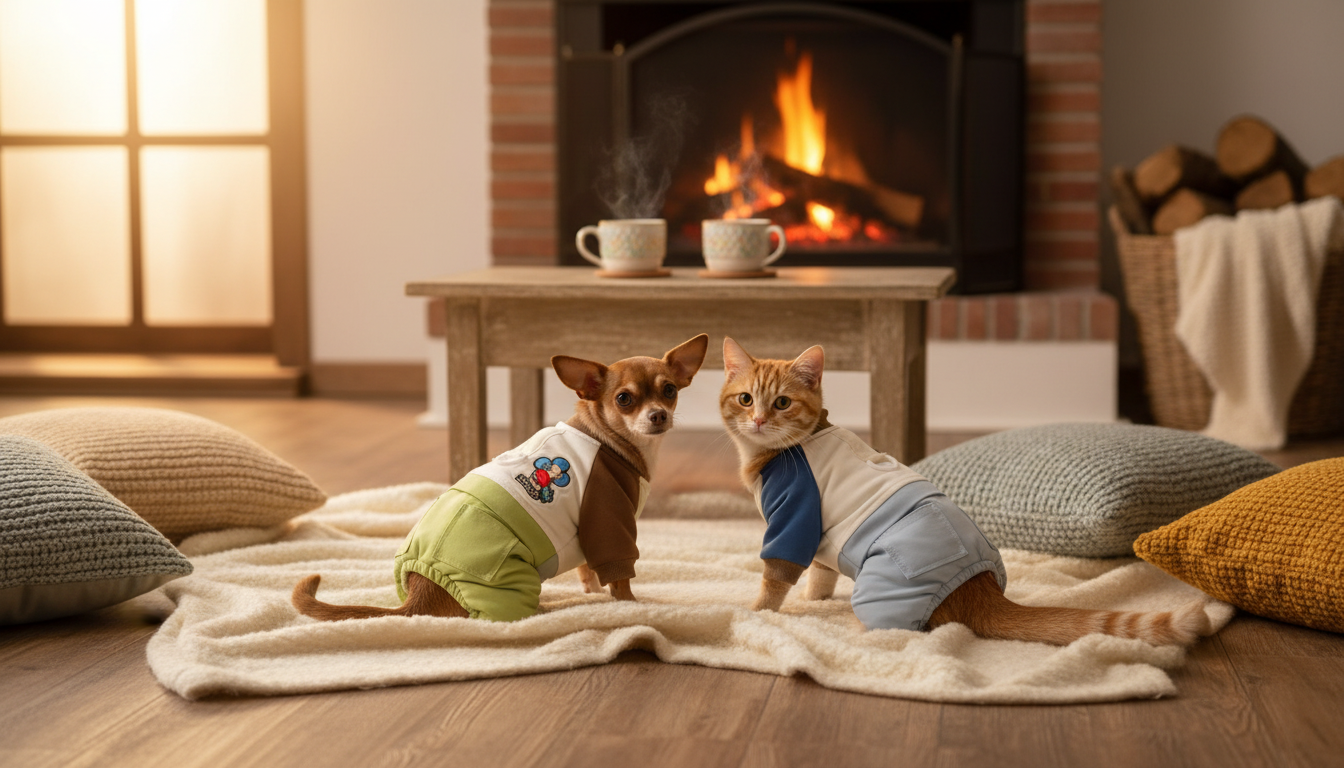
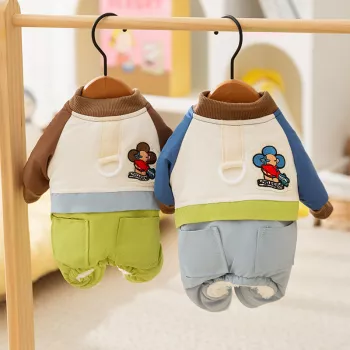
Winter Cozy Cartoon Jumpsuit for Small Dogs & Cats
Cold days can make short-haired pets and tiny breeds shiver fast—especially on brisk walks or in drafty homes. A warm jumpsuit adds an extra layer while keeping movement easy, and a playful cartoon look makes it feel like part cozy gear, part everyday outfit.
Featured picks (in stock)
Looking for something ready to ship today? Here are a few in-stock items on our site:
- Winter Cozy Cartoon Jumpsuit for Small Dogs & Cats — $20.82
- The Smart Traveler’s Guide to Global Etiquette (Digital Download) — $43.99
- The Anxiety Relief Bundle: A Path to Calm (4-in-1 Bundle) — $106.99
What this jumpsuit is designed to do
- Add warmth for small dogs and cats during chilly seasons and cool indoor temperatures.
- Cover more of the body than a standard sweater to reduce cold spots along the belly and legs.
- Provide a snug, comfortable layer that’s easier to keep in place than loose blankets.
- Bring a cute cartoon style for photos, outings, and everyday wear.
For many small pets, “a little cold” can turn into shivering quickly because there’s less body mass to retain heat. A full-body jumpsuit can help create more consistent coverage, especially when a pet is moving around and a simple pullover shifts out of place.
When a winter jumpsuit helps most
- Small-breed dogs that get cold quickly on walks (especially short-coated breeds).
- Senior pets, pets with low body fat, or pets that shiver in cooler rooms.
- Cats that enjoy supervised outdoor time, patios, or travel in cooler weather.
- After grooming or bathing, when pets may feel colder until fully dry.
Cold-weather clothing is most useful as a comfort layer—particularly during quick potty breaks, short outdoor errands, or when indoor temps drop at night. For broader winter safety guidance, see cold-weather tips from the American Veterinary Medical Association (AVMA) and the ASPCA.
Sizing and fit: getting comfort without restricting movement
- Measure chest girth first; it’s usually the most important measurement for a secure, comfy fit.
- Confirm back length so the jumpsuit covers the body without riding up.
- Check neck size and leg openings to avoid rubbing or tightness at the shoulders and armpits.
- If between sizes, choose the size that gives more chest room (tight chest fit is the most uncomfortable).
Quick measuring guide for small dogs and cats
| Measurement | Where to measure | How to measure | Fit tip |
|---|---|---|---|
| Chest girth | Widest part of the ribcage | Wrap a soft tape measure behind the front legs | Leave 1–2 fingers of room for breathing and movement |
| Back length | Base of neck to base of tail | Measure along the spine while standing | Too short can expose the belly; too long can bunch up |
| Neck girth | Around the neck where a collar sits | Measure snugly but not tight | Avoid tight necks that press when the pet sits |
| Leg openings | Upper front legs/shoulder area | Check that openings won’t pinch when walking | Watch for rubbing at armpits and inner legs |
A good fit should look “close to the body” without compressing the chest or pinching at the armpits. After the first try-on, watch your pet walk a few steps on a non-slip surface; if the stride shortens or the shoulders look restricted, sizing (or the leg openings) may be too tight.
Comfort and warmth features to look for
- Soft, cozy fabric that feels warm without being heavy or stiff.
- A gentle inner feel that won’t snag fur or irritate sensitive skin.
- A design that stays put during play (less twisting than some two-leg outfits).
- Cartoon styling that doesn’t add bulky pieces that pets might chew.
Warmth is only helpful when your pet actually tolerates the outfit. For sensitive pets, prioritize a smooth interior and a flexible feel. Anything overly rigid can cause a “freeze” response, especially in cats or smaller dogs that aren’t used to clothing.
Safety checks before the first wear
- Do a short indoor trial (5–10 minutes) and watch for stiff steps, licking, or attempts to remove it.
- Confirm the pet can sit, stretch, and use the litter box or go potty without trouble.
- Avoid overheating indoors; remove the outfit if panting starts or the pet seeks cool surfaces.
- Never leave clothing on an unsupervised pet that tends to chew fabric or fasteners.
It also helps to pair the first wear with something positive—treats, a meal, or a calm play session—so the outfit becomes “normal” rather than a surprise. If your pet repeatedly tries to wriggle out, reassess the chest fit and armpit area first, since that’s where discomfort shows up most.
Care and everyday use
Style ideas for photos and outings
For pets that get cold fast, plan photos like a quick “in-and-out”: step outside, snap a few shots, then warm up immediately. If you’re uncertain about temperature limits for your dog, the American Kennel Club (AKC) provides helpful cold-weather safety guidance.
FAQ
Can a cat wear a jumpsuit comfortably?
Yes for many cats, especially with gradual introduction. Start with short indoor trials, confirm full range of motion, and remove it if your cat freezes, rolls, or shows signs of stress.
How tight should a winter jumpsuit fit?
It should be snug but not restrictive, with about a 1–2 finger gap at the chest and neck. Tightness at the chest or armpits is most likely to cause discomfort and changes in walking.
Is a jumpsuit safe for sleeping or unsupervised wear?
It’s generally safer for supervised wear. Remove it for sleep or when unattended, especially for pets that chew, scratch at clothing, or are prone to overheating.







Leave a comment