Adjustable Waterproof Cloth Diapers: Soft Fit 6–33 lbs
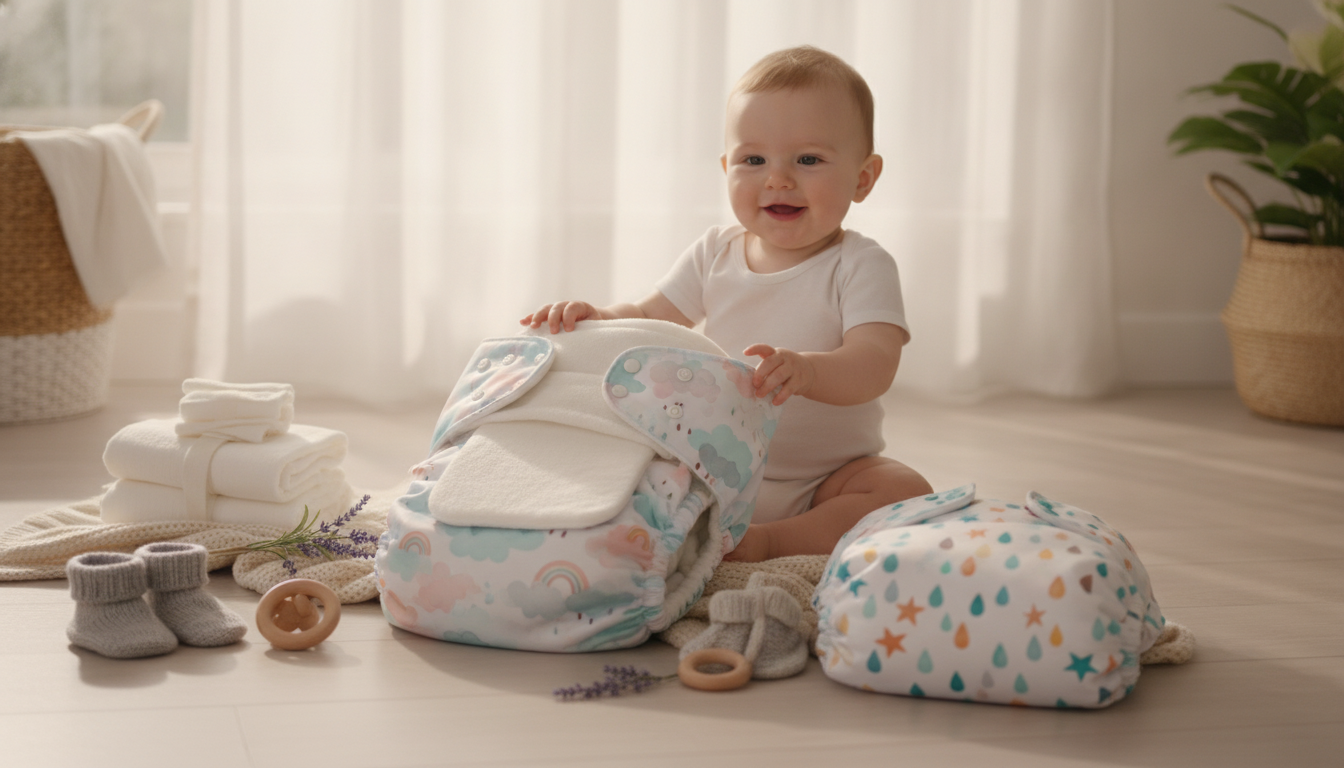
Adjustable Waterproof Cloth Diapers for Everyday Changes
Reusable cloth diapers can make day-to-day changes feel more predictable: a comfortable fit, reliable leak resistance, and a care routine you can repeat without much guesswork. An adjustable waterproof cloth diaper is built to handle frequent use while fitting a wide weight range—about 6–33 lbs—so it can move with baby from the early weeks into the toddler stage. That “grow-with-me” flexibility is especially helpful for families who want one dependable system for home, naps, and quick outings.
What makes an adjustable waterproof cloth diaper different
- Waterproof outer layer: A water-resistant shell helps reduce leaks during naps, longer stretches, and travel days when changes may be delayed.
- Adjustable sizing: Snap/closure settings allow you to fine-tune the rise and waist as baby grows from roughly 6–33 lbs.
- Reusable construction: Designed for repeat washing and frequent wear, which can simplify stocking up compared with single-use options.
- Soft inner feel: A softer next-to-skin surface can help keep babies comfortable, especially when they’re active or wearing the diaper for longer intervals.
Fit and sizing: from 6 to 33 lbs
Use the weight range as a starting point, then let fit do the final decision-making. A good cloth diaper fit is snug without pinching, with no obvious gaps at the legs and no drooping at the back.
- Start with weight, then adjust: Dial in the rise and waist using the closure system rather than relying on the printed range alone.
- Prioritize the leg seal: The leg opening should sit flush against the skin without leaving deep marks.
- Use the two-finger test: The waist should be secure but not tight—two fingers should slide under the waistband comfortably.
- Re-check after milestones: Growth spurts, starting solids, and switching to thicker clothing layers can change how the diaper sits.
Quick fit checklist by stage
| Stage | Approx. weight | Fit check | Common tweak |
|---|---|---|---|
| Newborn/young infant | 6–12 lbs | Legs sit flush without red marks; diaper sits below belly button | Tighten waist, reduce rise |
| Infant | 12–20 lbs | No gaping at thighs; absorbency centered | Adjust rise to prevent sagging |
| Older infant/toddler | 20–33 lbs | Full coverage at back; stays in place when crawling/walking | Loosen waist slightly; ensure leg elastic is even |
Comfort details that matter for everyday wear
Comfort is what turns cloth diapering from “sometimes” to “sustainable.” The small details—softness, seam placement, and breathability—can influence whether baby stays happy between changes.
- Soft materials: A gentle inner feel can help reduce irritation during frequent changes and high-movement days.
- Smooth seams and balanced cut: Helps avoid rubbing at hips and thighs, especially for crawlers and walkers.
- Breathability + regular changes: Even with a waterproof shell, timely changes can reduce moisture sitting against the skin.
- Insert/liner pairing: The right insert (and optional liner) can keep the surface feeling drier for longer stretches.
If you’re managing diaper rash, the American Academy of Pediatrics offers practical basics on diapering and skin care at HealthyChildren.org.
Leak protection and when to adjust routine
Leaks are usually a signal to adjust fit, absorbency, or timing. A waterproof outer layer helps, but it can’t compensate for a gap at the leg or a saturated insert.
- Check the leg seal first: Many leaks come from leg gaps rather than a lack of absorbency.
- Boost for naps/overnight: Consider adding an insert or changing right before sleep for longer, uninterrupted stretches.
- Watch for compression leaks: Car seats and high chairs can squeeze a saturated insert and force moisture out—match absorbency to the activity and time since the last change.
- Sudden leaks have common causes: Growth spurt fit changes, detergent buildup reducing absorbency, or inserts shifting off-center.
Washable and reusable: simple care routine
A consistent wash routine keeps cloth diapers comfortable and absorbent. When problems pop up (odor, repelling, irritation), the wash routine is often the fastest place to troubleshoot.
Reusable habits can also reduce overall household waste; the U.S. EPA’s overview of reduce/reuse/recycle is a helpful reference at epa.gov/recycle.
Using cloth diapers day-to-day
Value factors: what the price includes and what else may be needed
Product spotlight: Adjustable Waterproof Cloth Diapers – Soft, Washable & Fits 6–33 lbs
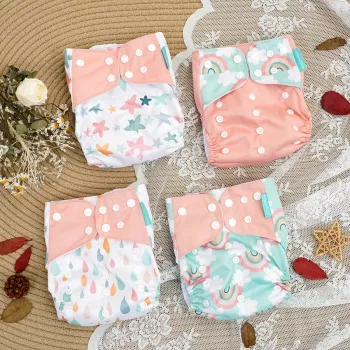
If you want one diaper style that can span multiple stages, Adjustable Waterproof Cloth Diapers – Soft, Washable & Fits 6–33 lbs is designed for a wide growth range with adjustable sizing. The waterproof outer layer supports everyday leak protection, while the washable, reusable build is made for frequent change cycles. The soft feel is geared toward comfort during active play, naps, and travel. Current price: $11.51 (in stock).
More in-stock picks
- Homework Help Made Easy Toolkit for Parents – Printable Guide for Creating Study Habits, Homework Strategies & Independent Learning
- The Anxiety Relief Bundle: A Path to Calm | 4-in-1 Bundle | Mindfulness Exercises, Positive Thinking, Printable Checklist & Course Outline
FAQ
How many cloth diapers are needed to start?
For daily washing, many families start with about 10–14 diapers (plus enough inserts). If washing every 2–3 days, 18–24 can make the routine smoother, and adding 1–2 wet bags helps for storage and outings.
Why do cloth diapers leak even when they seem tight enough?
Leaks often come from leg gaps, an incorrect rise setting, or an insert that shifted off-center. Compression leaks in car seats and detergent buildup that reduces absorbency are also common; sometimes the fix is simply more absorbency for longer stretches.
How often should washable cloth diapers be changed?
Typically, change every 2–3 hours (and sooner after stool), adjusting for baby’s age and sensitivity. For naps or overnight, many families use higher absorbency and change right before sleep to help prevent leaks and irritation.











Leave a comment