6-Layer Cotton Gauze Baby Bib: Soft, Breathable & Absorbent
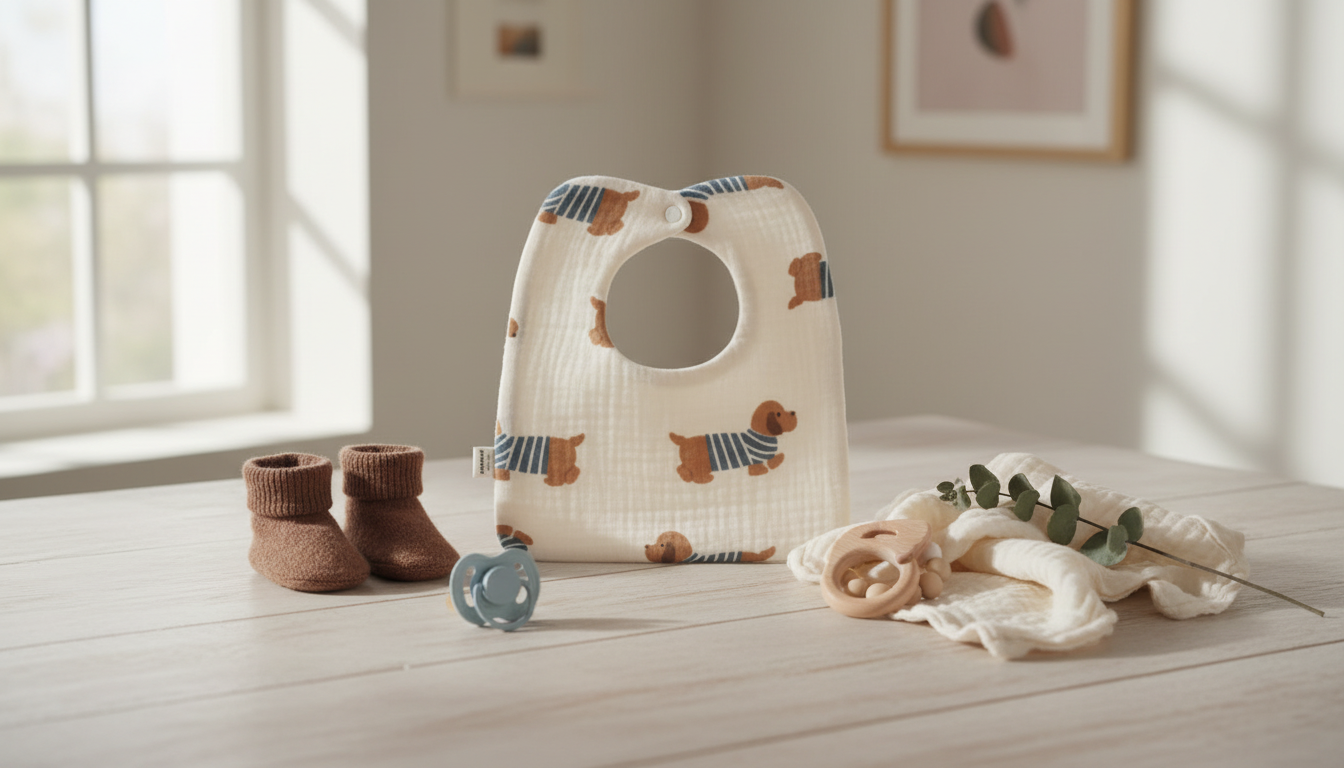
Soft 6-Layer Cotton Gauze Baby Bib: Everyday Comfort for Messy Moments
Mealtimes, teething, and drool-heavy days call for a bib that feels gentle while still doing serious absorbent work. A multi-layer cotton gauze bib is designed to stay soft against delicate skin and help keep outfits drier between changes—whether you’re pacing through a fussy teething evening or squeezing in a quick bottle before a nap.
What Makes a 6-Layer Cotton Gauze Bib Different
Cotton gauze is often chosen for baby essentials because it balances softness with breathability. In a 6-layer design, that comfort-focused fabric also works harder to manage everyday wetness.
- Breathable, lightweight feel: Gauze cotton tends to feel airy, which can help during longer wear or in warmer rooms.
- Layered absorbency: Multiple layers are designed to soak up drool, milk dribbles, and small spills before they reach clothing.
- Gentle around the neck and chin: Soft layers can reduce friction during teething or frequent wipe-downs.
- Better shape retention: A layered build can hold up well to repeated washing compared with thinner bib fabrics that may warp or collapse quickly.
Quick Product Snapshot
A fast way to compare core details before choosing colors or buying multiples for daily rotation.
Soft 6-Layer Cotton Gauze Baby Bib Overview
| Detail | What to know |
|---|---|
| Product | Soft 6-Layer Cotton Gauze Baby Bib |
| Material | Cotton gauze (6-layer design) |
| Best for | Drooling, teething days, light feeding messes |
| Feel | Soft, breathable, gentle on skin |
| Price | $9.97 (USD) |
| Availability | In stock |
Comfort and Fit Considerations for Daily Wear
Even the most absorbent bib won’t feel “everyday” if it rubs, bunches, or traps heat. Comfort comes down to how it sits on the body and how it behaves once it gets a little damp.
- Flat, non-bunching coverage: A bib that lies smoothly across the chest helps reduce neck rubbing and prevents drool from sneaking underneath folded fabric.
- Breathability for warm spaces: If your baby runs hot, lighter fabrics can feel less stuffy during playtime and feeds.
- Sensitive-skin friendliness: Prioritize soft edges and avoid anything that feels scratchy where it touches the neck and chin.
- Rotation matters: Keeping a few bibs in the day-to-day lineup means a damp bib can be swapped quickly, especially before car rides or naps.
Absorbency in Real Life: Drool, Spit-Up, and Small Spills
A bib’s job isn’t to replace a full towel—it’s to prevent the “constant outfit changes” cycle. A 6-layer gauze bib is built for the frequent, low-to-moderate messes that happen all day long.
- Drool management: Layered gauze can absorb steady moisture and feel less clammy at first contact, which helps keep the neck area more comfortable.
- Spit-up control: Coverage across the upper chest can reduce how often onesies and sleepers need to be changed after burping.
- Feeding support: For bottles and early solids, a reliable everyday bib catches dribbles and small splashes before they spread.
- Backup strategy: Keep a burp cloth nearby for larger spills while the bib handles the routine drips and drool.
For general feeding guidance as babies start exploring more foods and textures, the CDC’s infant and toddler nutrition resources can be a helpful reference for caregivers: CDC — Infant and Toddler Nutrition.
Care and Washing Tips to Keep It Soft
Softness and absorbency can last longer with a simple, consistent wash routine—especially during heavy-use phases when bibs go from clean to soaked in minutes.
Safety Notes for Bib Use
- Remove bibs during sleep: Unless a pediatric professional advises otherwise, keep sleep spaces free of loose items. For broader guidance, review American Academy of Pediatrics — Safe Sleep Recommendations.
- Inspect closures and seams: Check for loose threads, worn stitching, or damaged fasteners, and retire bibs that no longer feel secure.
- Supervise during feeding and teething: Swap out bibs that become overly wet to help keep skin comfortable and reduce irritation.
- Comfortable fit is key: Ensure it isn’t tight around the neck and won’t snag during rolling, crawling, or reaching.
For additional consumer safety information on products and general guidance, the CPSC — Safer Products site is a useful resource.
When to Use a 6-Layer Gauze Bib (and When to Switch Styles)
Product Options (In Stock)
- Soft 6-Layer Cotton Gauze Baby Bib — a breathable, soft bib designed for everyday drool and light mess coverage.
- Homework Help Made Easy Toolkit for Parents – Printable Guide — a handy printable resource for building study routines at home (useful as kids grow into school-age years).
- The Anxiety Relief Bundle: A Path to Calm — a digital bundle with mindfulness exercises and checklists for caregivers who want extra support during busy seasons.
FAQ
Are cotton gauze bibs good for teething drool?
Yes—cotton gauze is breathable, and a multi-layer design increases absorbency for steady drool. Rotating bibs and changing them once damp can help keep the neck and chin area more comfortable.
How many bibs are useful to keep on hand?
Many families find that 6–12 bibs is a practical range, especially during teething when several can get soaked in a single day. The right number depends on laundry frequency, daycare needs, and whether you want extras for diaper bags and cars.
Can a baby wear a bib while sleeping?
Generally, bibs should be removed for sleep to keep the sleep space free of loose items. If there’s a special medical or feeding situation, follow guidance from a pediatric professional.










Leave a comment