65mm & 80mm Soft Silicone Baits: Rigging & Uses
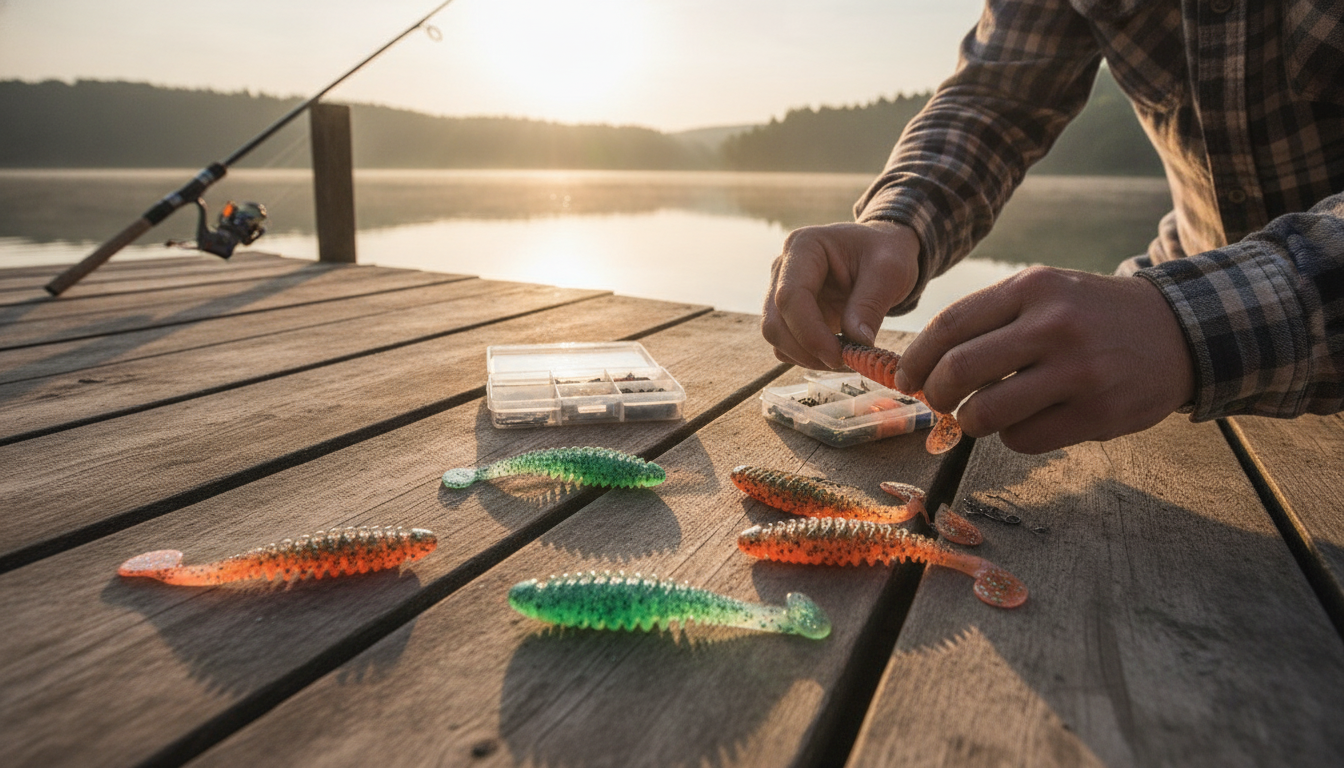
Soft Bait Fishing Lures Set – 65mm & 80mm Silicone Artificial Lures
Mid-size soft silicone baits are a go-to option when the goal is to cover water, match common forage, and keep a natural look at a wide range of speeds. A mixed-size set that includes 65mm and 80mm profiles makes it easier to adjust to the day’s conditions—whether that means slowing down near the bottom, swimming through the mid-water column, or threading a bait cleanly through cover with a weedless rig. For everyday predator fishing in lakes, rivers, and ponds, these sizes hit a practical “sweet spot” between finesse and visibility. For more guidance, see Fableblis Mixed Fishing Lures Kit – Multi-Jointed Swimbaits ….
What makes 65mm and 80mm soft baits so versatile
Having two sizes in the same lure style helps you stay consistent while still “matching the hatch.” The 65mm bait typically imitates smaller baitfish, young-of-the-year forage, and insect-heavy diets, while the 80mm version leans more toward a fuller baitfish silhouette that’s easier for fish to track. For further reading, see Maine’s Fishing Law Book.
- Two sizes, one approach: Adjust profile without completely changing your presentation style or gear.
- 65mm for pressured bites: In clear water or when fish have seen a lot of lures, a smaller profile can get more committed strikes.
- 80mm for presence and reactions: A larger silhouette can trigger “eat now” decisions, especially when predators are feeding up.
- Silicone compresses on the bite: Soft bodies can improve hook-up potential compared with hard lures, especially on short takes.
Best target species and where these lures fit
These mid-size soft baits are a strong fit for common freshwater predators and multi-species outings where you might encounter several bite windows in the same session.
- Perch and panfish: The 65mm on a lighter jig head is ideal for subtle hops, slow swimming retrieves, and “do-nothing” pauses near structure.
- Bass: Both sizes work well—65mm for finesse and tougher bites; 80mm for working weed edges, points, and drop-offs efficiently.
- Pike and other aggressive predators: The 80mm can be a better starting point when fish are actively hunting; use a leader where toothy fish are present.
- Trout in stillwaters and slow rivers: Natural colors and steady, controlled retrieves can mimic small baitfish without looking overpowering.
For regulations, seasons, and local guidance, check official resources like the Florida Fish and Wildlife Conservation Commission (FWC) freshwater fishing page and general skill refreshers from Penn State Extension.
Rigging options that keep the presentation natural
Soft baits shine because they adapt to the water you’re fishing. A few simple rigging choices cover most scenarios without making the lure look stiff or unnatural.
- Jig head: The most straightforward setup. Choose the lightest weight that still maintains bottom contact (or your intended depth) without dragging constantly.
- Weedless hook (Texas-style): Great around grass, wood, pads, and shallow cover. Keep the hook point lightly embedded to reduce snags while still allowing solid hook-sets.
- Drop shot: Helps the bait hover in place—excellent when fish are suspended, inactive, or holding just off bottom.
- Split shot / light belly weight: Useful for shallow zones where you want minimal splash and a slow, gliding movement through the strike zone.
Quick size and setup guide (65mm vs 80mm)
Small adjustments in hook size, leader strength, and retrieve speed help each bait size do what it’s supposed to do. The 65mm tends to fish best when it isn’t “overpowered” by heavy terminal tackle, while the 80mm gives you more freedom to step up gear around cover or aggressive fish.
| Bait size | Common use | Rig suggestion | Retrieve cue |
|---|---|---|---|
| 65mm | Finesse, clear water, smaller forage | Light jig head or drop shot | Slow swim with brief pauses |
| 80mm | Covering water, bigger profile, active fish | Jig head or weedless hook | Steady swim with occasional twitches |
| 65mm | Shallow flats and edges | Split shot / light weight | Crawl and glide, keep it subtle |
| 80mm | Weed lines, laydowns, structure | Weedless hook | Lift-drop or swim just above cover |
- Cold water: Slow down and keep the bait in the strike zone longer; consider lighter weights for a slower fall.
- Warm water: Increase speed, cover more water, and use the 80mm when fish are chasing.
- Short bites: Downsize to 65mm or reduce jig head weight so the lure falls more slowly and fish can inhale it cleanly.
Color and water clarity choices that simplify decisions
Soft baits don’t need a huge rainbow of colors to produce. A simple system based on visibility keeps choices fast and consistent.
Retrieves that trigger strikes with soft silicone baits
Care, storage, and getting more life from soft baits
Recommended in-stock picks
- Soft Bait Fishing Lures Set – 65mm & 80mm Silicone Artificial Lures (in stock)
- The Smart Traveler’s Guide to Global Etiquette | Digital Download eBook for Cultural Tips, Travel Etiquette, and International Manners (in stock)
FAQ
Which size is better for beginners: 65mm or 80mm?
Start with 65mm for easier bites and simpler jig-and-swim presentations, especially in clear or pressured water. Move up to 80mm when fish are active or when you need a bigger profile to pull strikes.
Do soft silicone baits work in both rivers and lakes?
Yes—adjust your weight for current in rivers so the bait tracks naturally, and go lighter/slower in still water when fish want a subtle fall. The same two sizes can cover shallow edges, mid-depth lanes, and near-bottom zones.
How do these lures compare to hard baits for everyday fishing?
Soft baits tend to feel more natural on the bite, keep working at slower speeds, and give you flexible rigging options for cover and depth. Hard baits can be faster for searching in some situations, but soft silicone often shines when fish are cautious.










Leave a comment