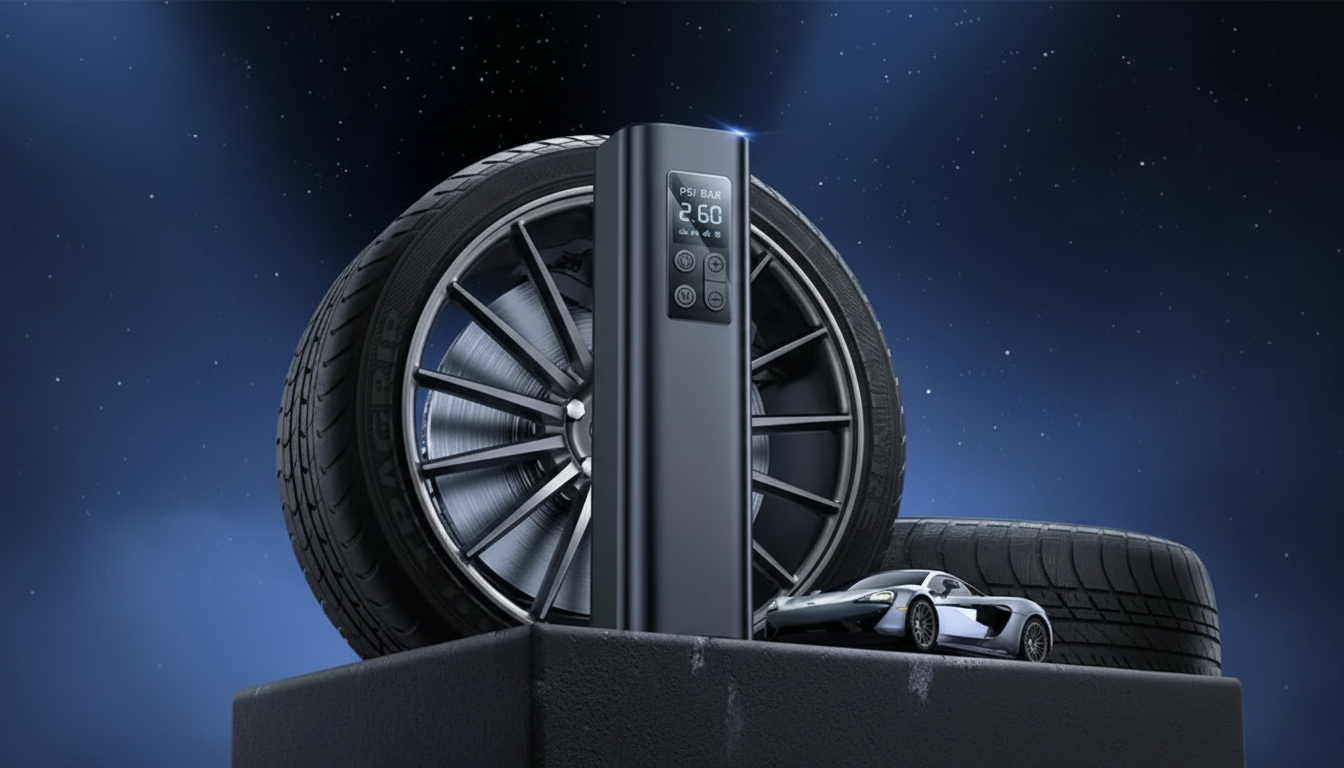
2-in-1 Portable Tire Inflator: Power Bank + Flashlight
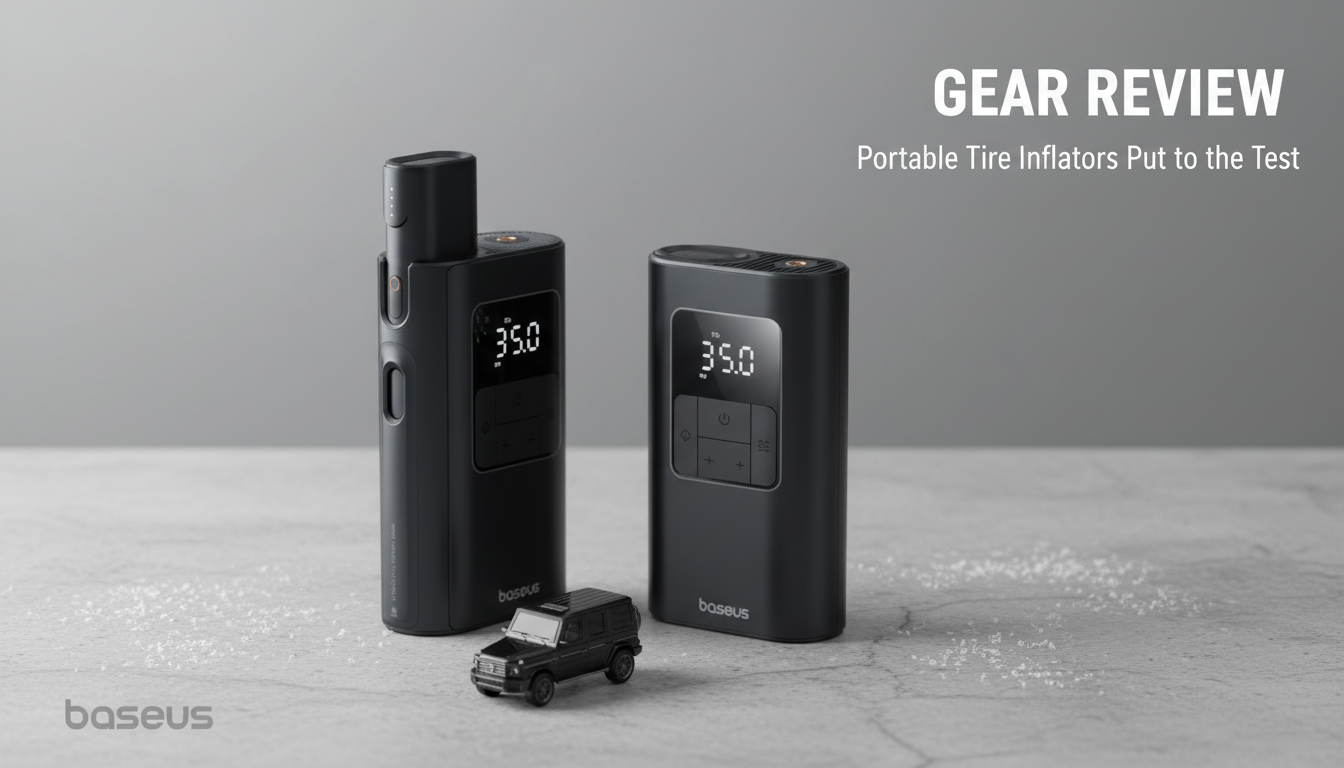
2-in-1 Roadside Readiness: Air Compressor, Power Bank, and Flashlight in One
A flat tire, a low-pressure warning, or a dead phone can turn a simple drive into a stressful stop. A compact inflator that also works as a power bank and flashlight keeps essential support in the glove box or trunk—useful for daily commuting, long road trips, and emergency kits. Instead of juggling separate gadgets, a 2-in-1 combo tool helps cover the basics: air when you need it, light when visibility drops, and backup power when you can’t rely on a car charger.
What This 2-in-1 Tool Helps With
- Topping up tire pressure after temperature swings or slow leaks
- Inflating bike tires, balls, and other small inflatables (when compatible adapters are used)
- Providing light during nighttime roadside checks or power outages
- Charging a phone or small device when the car charger isn’t available
For tire care basics and safety reminders, two solid references are NHTSA Tire Safety and AAA Tire Safety Tips. Both emphasize routine pressure checks and addressing damage early—exactly where a portable inflator fits into the routine.
Standout Features to Look For in a Portable Inflator Combo
- Portable power: Cordless use reduces reliance on a 12V socket; confirm battery capacity for repeated top-offs.
- Pressure control: A clear display and target pressure settings help avoid overinflation.
- Auto stop: Shuts off at the set pressure to reduce guesswork.
- Lighting modes: A bright flashlight beam and multiple modes improve visibility during emergencies.
- Power bank output: USB output(s) for common devices; check if fast-charging is supported.
- Compact build: Easy to store with the hose and accessories contained or neatly packed.
Practical details matter on the shoulder of a highway. A screen that’s readable at night, buttons that work with gloves, and storage that keeps the hose from kinking can make the difference between a quick top-off and a frustrating scramble.
Quick Specs Snapshot
If you’re comparing options, it helps to keep a simple checklist of what’s available now and what it’s meant to do day-to-day.
| Item | Detail |
|---|---|
| Name | 2-in-1 Portable Car Air Compressor with Power Bank & Flashlight |
| Price | 123.32 USD |
| Stock status | In stock |
| Store page | rareoffersrealm.shop/2-in-1-portable-car-air-compressor-with-power-bank-flashlight/ |
Recommended In-Stock Picks for a More Prepared Trip
For a compact, multi-use solution, start with the core tool and then layer in complementary travel support.
- 2-in-1 Portable Car Air Compressor with Power Bank & Flashlight (in stock)
- The Smart Traveler’s Guide to Global Etiquette | Digital Download eBook for Cultural Tips, Travel Etiquette, and International Manners (in stock)
- The Anxiety Relief Bundle: A Path to Calm | 4-in-1 Bundle (in stock)
The inflator covers immediate roadside needs, while the travel and calm-focused downloads can be handy add-ons for frequent drivers and travelers who prefer to keep trip resources on their phone.
How to Use It Safely for Tire Top-Offs
- Confirm the right number: Check the vehicle’s recommended tire pressure on the driver-side door jamb placard (not the tire sidewall).
- Inflate “cold” when possible: Let tires cool if you can; pressure rises after driving and can affect readings.
- Secure the connection: Attach the hose firmly to the valve stem and listen for hissing that suggests a poor seal.
- Set a target and monitor: If the unit supports target pressure, set it before starting. If you’re unsure, pause occasionally and confirm the reading.
- Double-check for precision: After inflating, re-check with a separate gauge if accuracy is critical (especially before long highway drives).
- Pack it correctly: Store the hose and accessories neatly to prevent kinks and protect the connector.
A portable inflator is ideal for top-offs—adding a few PSI back after a cold snap or compensating for a slow leak until you can get a proper inspection. If you’re repeatedly adding air, treat it as a sign to investigate the tire for a puncture, bead leak, or valve issue.
Power Bank + Flashlight: Practical Emergency Uses
- Phone support: Keep enough charge to call roadside assistance, share location, or pull up navigation when signal is weak and time matters.
- Visibility: Illuminate the valve stem, spot tread damage, and scan the roadside while staying aware of traffic.
- Glove-box readiness: Combine three essentials so nothing gets forgotten when building a basic emergency kit.
- Non-car uses: Useful for camping, cycling, tailgates, or powering small devices during outages.
A built-in light is especially helpful when you want to keep one hand free while checking a valve stem or looking for an obvious puncture. Multiple lighting modes can also help you signal for attention in low visibility situations.
What to Keep With It in the Trunk
When a Portable Inflator Isn’t Enough
FAQ
Can a portable inflator replace a spare tire?
It’s great for topping off low pressure and can help in minor leak situations, but it can’t fix major punctures, rapid air loss, or sidewall damage. For severe cases, a spare tire or roadside assistance is still the safer solution.
How do you find the correct tire pressure?
Use the driver-side door jamb placard or the owner’s manual for the recommended PSI. The number on the tire sidewall is a maximum rating for the tire, not the recommended setting for your vehicle.
Is it safe to inflate tires right after driving?
Warm tires read higher pressure than cold tires, so inflation right after driving can throw off accuracy. When possible, inflate when the tires are cold and re-check later if you had to adjust pressure while the tires were warm.








Leave a comment