Quick-Grab Comfort: Cozy Baby Hipseat Carrier Guide

Cozy Support for Quick Carries: Why a Hipseat Carrier Can Feel Like a Break for Your Arms
A hipseat carrier is built for the real rhythm of caring for a baby: up, down, up again—between laundry, snack time, school pickup, and quick errands. Instead of relying on your forearms to “hold up” your child’s full weight, a hipseat uses a structured seat to support your baby while you steady and guide them. When the carrier has an adjustable waistband and breathable comfort, it can feel more stable on your body and less sticky during warm or busy days.
What a Hipseat Carrier Is (and When It Helps Most)
A hipseat carrier combines a firm seat with a waistband so your baby can perch securely while you keep one arm free more often. It’s especially useful when your child wants frequent pick-up/put-down attention—common during teething, growth spurts, travel lines, or when they’re curious and want to be “involved” in whatever you’re doing.
- Hipseat design supports baby on a structured seat, reducing the need to “hold up” their full weight with forearms.
- Ideal for quick transitions: chores at home, grocery runs, school pickup, airport/security queues, and soothing a fussy baby.
- Often preferred for short-to-medium carries where speed and convenience matter more than all-day trekking features.
- Can be worn on the front or on the hip depending on baby’s age, head control, and comfort.
Adjustable Waistband: Fit, Stability, and Pressure Distribution
The waistband does the heavy lifting—literally. When it’s tightened correctly, it keeps the seat level and helps prevent sagging that can pull on your lower back. Adjustability also matters for shared use: one carrier can fit different caregivers, and it can adapt as postpartum bodies change over time.
A wider, well-padded waistband tends to spread pressure across the hips instead of concentrating it at one point. For smaller babies, positioning the waistband higher on the waist often feels more balanced because it brings your baby closer to your center of gravity; as baby grows, you can fine-tune height and tension for comfort and stability.
Fit Checklist for an Adjustable Waistband
| Checkpoint | What “good” looks like | Quick fix if it feels off |
|---|---|---|
| Waistband height | Sits securely at the waist/upper hips; seat stays level | Raise waistband; re-tighten before lifting baby onto the seat |
| Tension | Snug enough that it doesn’t slide when baby shifts | Tighten incrementally; confirm buckle/strap routing is flat (not twisted) |
| Padding contact | Padding lies flush; no pinching at edges | Smooth padding; adjust clothing layers; reposition slightly higher/lower |
| Balance | Baby’s weight feels centered rather than pulling to one side | Shift baby closer to midline; adjust shoulder/side support straps (if included) |
Breathable Comfort: Heat Management for Baby and Caregiver
Breathable materials can make a noticeable difference during summer walks, indoor heating season, or fast-paced errands that turn into a sweat session. Airflow-friendly panels and quick-drying fabrics help reduce that clammy feeling and can be easier to live with between washes.
- Breathable materials can reduce sweat buildup during warm weather, indoor heating season, or active errands.
- Look for airflow-friendly panels and fabrics that dry quickly after light perspiration or spot cleaning.
- Comfort improves when clothing layers are adjusted—often one less layer than expected for baby when carried close to an adult body.
- During hot days: keep carries shorter, offer frequent breaks, and check baby’s neck/back for overheating.
For more heat and safety guidance around babywearing, the American Academy of Pediatrics shares helpful tips on positioning and monitoring: Babywearing: Benefits and Safety Tips.
Ergonomics: Supporting Baby’s Hips, Spine, and Head
Comfort isn’t only about the caregiver—baby’s posture matters, too. A supportive seated position helps baby feel secure and helps you carry more efficiently without constantly readjusting.
The International Hip Dysplasia Institute explains babywearing positioning and hip-friendly carry concepts here: IHDI — Babywearing. For airway awareness and safe sleep context, consumer safety guidance is also worth reviewing: CPSC Safe Sleep.
Safety Basics for Everyday Carrying
Quick Setup Routine for a Hipseat Carrier
Care, Cleaning, and Keeping It Comfortable
At-a-Glance Product Summary
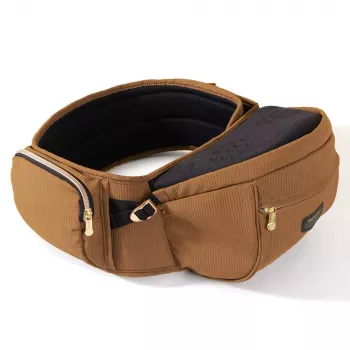
If frequent quick carries are part of daily life, a hipseat can be a practical middle ground between “just holding” and fully strapping into a long-wear carrier. The Cozy Baby Hipseat Carrier with Adjustable Waistband and Breathable Comfort is designed around two everyday comfort priorities: a more dialed-in fit at the waist and a cooler, less sweaty feel during use.
Product Snapshot
| Detail | Value |
|---|---|
| Name | Cozy Baby Hipseat Carrier with Adjustable Waistband and Breathable Comfort |
| Price | 59.51 USD |
| Availability | In stock |
| Product page | View details |
More Helpful Picks for Busy Families
- The Anxiety Relief Bundle: A Path to Calm (digital bundle for decompressing during demanding seasons)
- Homework Help Made Easy Toolkit for Parents (printable routines and strategy guides for school nights)
- The Smart Traveler’s Guide to Global Etiquette (quick cultural tips for family trips and international travel)
FAQ
What age can a baby use a hipseat carrier?
Look for readiness cues like steady head/neck control and comfort in a supported seated position, and always follow the manufacturer’s stated age/weight guidance on the product page. Younger babies typically require more head and airway monitoring during any carry.
How tight should the adjustable waistband be?
It should feel snug like a hiking hip belt—secure enough that the seat doesn’t slide or sag when your baby shifts. Tighten, place baby on the seat, then re-tighten after a minute of movement while avoiding any pinching or numbness.
Is a breathable carrier enough for hot weather?
Breathable materials help, but they don’t remove heat risk. Dress baby in fewer layers, take frequent breaks, offer hydration as appropriate, check for overheating at the neck/back, and shorten carry time in high heat.









Leave a comment