Universal Honing Guide: Repeatable Edges for Chisels & Irons
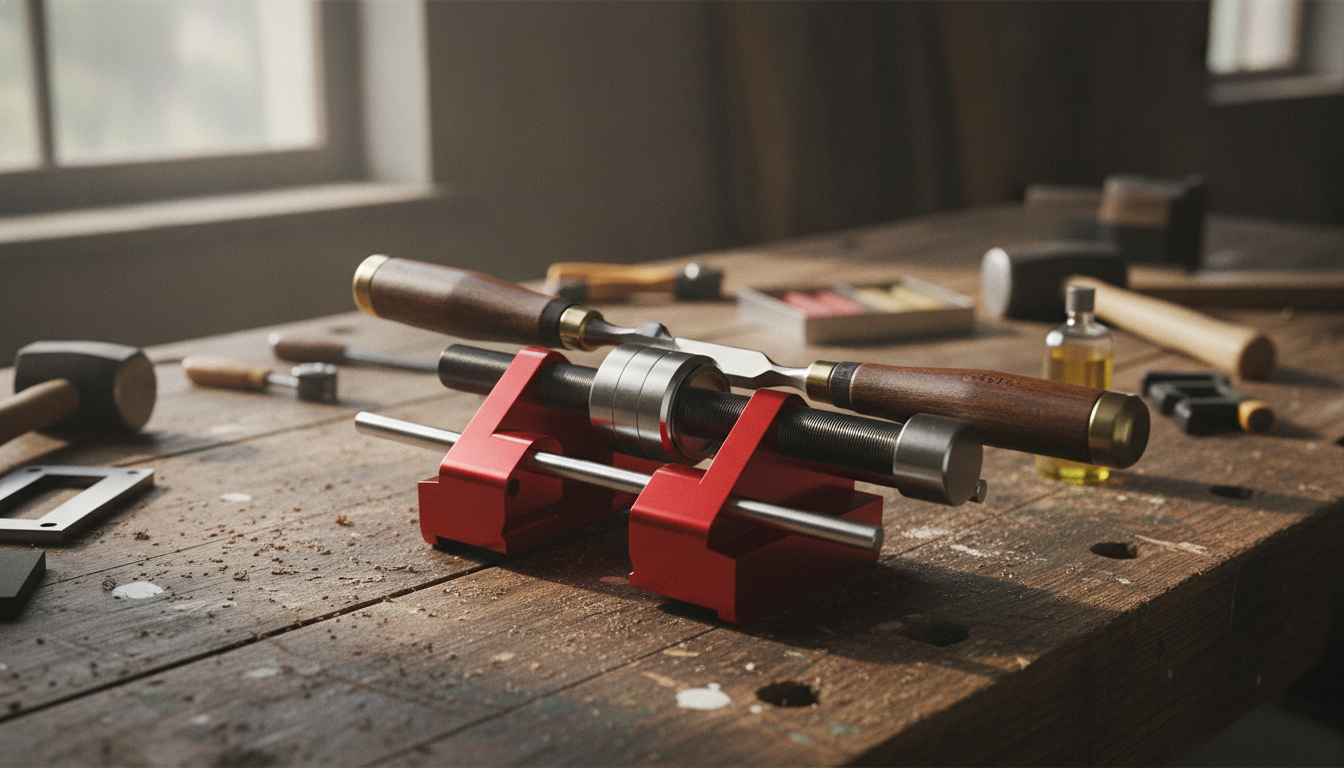
Universal Honing Guide Tool for Chisels and Plane Blades: Sharpen Consistent Edges with Less Guesswork
Consistent sharpening angles are the difference between a clean paring cut and a frustrating, tear-out-prone edge. A universal honing guide helps lock in a stable bevel angle for chisels and plane blades, making repeatable results easier whether tuning a bench chisel or refreshing a plane iron. With the angle handled by the guide-and-roller, the process becomes more about routine and less about “feel,” which is especially useful when you’re chasing straight, square edges for joinery and smoothing work.
What a universal honing guide does
A universal honing guide clamps a chisel or plane blade square while a roller rides on the stone, helping maintain a steady angle through each stroke. By supporting the tool and controlling the pivot point, it reduces uneven bevels caused by wrist roll—often the culprit behind rounded edges, inconsistent micro-bevels, and blades that never quite feel sharp.
Because the setup is repeatable, touch-ups become faster: once a projection is set and you know your preferred angles, sharpening shifts from a long correction session to a quick maintenance habit. It also works well for establishing a primary bevel and for refining a micro-bevel with small angle changes, letting you keep the primary geometry stable while still adding durability at the edge.
Best uses for chisels and plane irons
For bench chisels, a guide helps restore a flat, even bevel that registers cleanly during paring and chopping. That registration matters: a chisel that sits predictably on its bevel is easier to steer and less likely to dive or skip in end grain.
For plane blades (irons), the goal is usually an edge that’s straight and square to the sides so the blade engages evenly across the width. A guide makes it easier to keep the bevel symmetrical and the cutting edge square, improving planing performance and reducing the need for lateral adjustments.
It’s also well-suited to touch-up sharpening: a few passes on a fine stone can bring back keenness without heavy metal removal, extending edge life and keeping you working instead of grinding. And if you’re newer to sharpening, the guide lowers the skill barrier while still producing high-quality edges that are easier to replicate.
Compatibility and fit: what to check before clamping
Before buying or clamping, check a few practical fit points. First is blade width range: the guide should securely clamp both narrow chisels and wider plane irons commonly used in the shop. Next is blade thickness and taper. Some older plane irons, specialty chisels, or laminated blades run thicker; make sure the jaws have enough capacity and bite.
Square registration matters too. A guide is only as accurate as the setup—look for a straightforward way to align the cutting edge square to the roller (often done with a small square). As for abrasives, honing guides work with water stones, oil stones, and diamond plates; the key is a flat surface so the roller tracks consistently. Finally, confirm the guide allows enough travel on the stone without clamp hardware contacting the abrasive, which can gouge stones and interrupt your stroke.
Quick fit checklist
| What to check | Why it matters | What to do if it’s off |
|---|---|---|
| Blade slips in jaws | Angle changes mid-stroke and rounds the bevel | Clean jaws; tighten evenly; add thin shim for narrow blades if needed |
| Edge not square to roller | Creates skewed bevel and uneven cutting | Use a small square to align before tightening |
| Roller tracks unevenly | Produces inconsistent scratch pattern | Clean roller; check stone flatness; apply even pressure |
| Clamp hardware hits stone | Limits stroke length and can gouge stones | Reposition blade projection; use a larger stone; adjust technique |
Setting angles without complicated math
Most shops can keep it simple with a practical bevel plan: many chisels and plane irons perform well around 25° for the primary bevel and about 30° for a micro-bevel that boosts durability at the edge. Harder woods, abrasive materials, or heavy chopping can justify a slightly stronger micro-bevel, while fine paring might favor a keener setup.
Step-by-step sharpening routine (repeatable and fast)
For additional angle and sharpening background, helpful overviews include Lie-Nielsen’s sharpening concepts and WOOD Magazine’s sharpening basics. If you like to be precise about measurement concepts, NIST’s measurement resources offer general reference material.
Common mistakes and quick fixes
Care, storage, and keeping results consistent
In-stock picks
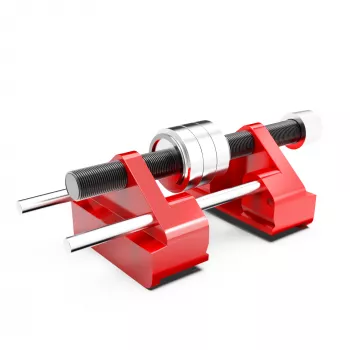
Universal Honing Guide Tool for Chisels and Plane Blades is a compact sharpening aid designed to help hold chisels and plane blades at a consistent angle on stones or plates—useful for routine touch-ups and for building a repeatable process without relying on hand skill alone.
If you’re also restocking the shop or planning projects, these in-stock digital items are available as well: Homework Help Made Easy Toolkit for Parents – Printable Guide and The Smart Traveler’s Guide to Global Etiquette | Digital Download eBook.
FAQ
Does a honing guide work with both water stones and diamond plates?
Yes—any flat abrasive surface works. Keep stones flat and the roller clean so it tracks smoothly and maintains a consistent angle.
What angles are practical for chisels and plane blades?
Common setups are about 25° for the primary bevel with about a 30° micro-bevel for durability. Adjust slightly based on the wood species, edge retention goals, and whether the tool is used for paring or heavier work.
How can the blade be kept square in the guide?
Align the cutting edge with a small square before tightening, apply even clamping pressure, and re-check after the first few strokes. If you see a burr forming unevenly, pause and correct alignment before moving to finer grits.








Leave a comment