Safe Space Mapping: Build Your Personal Safety Plan
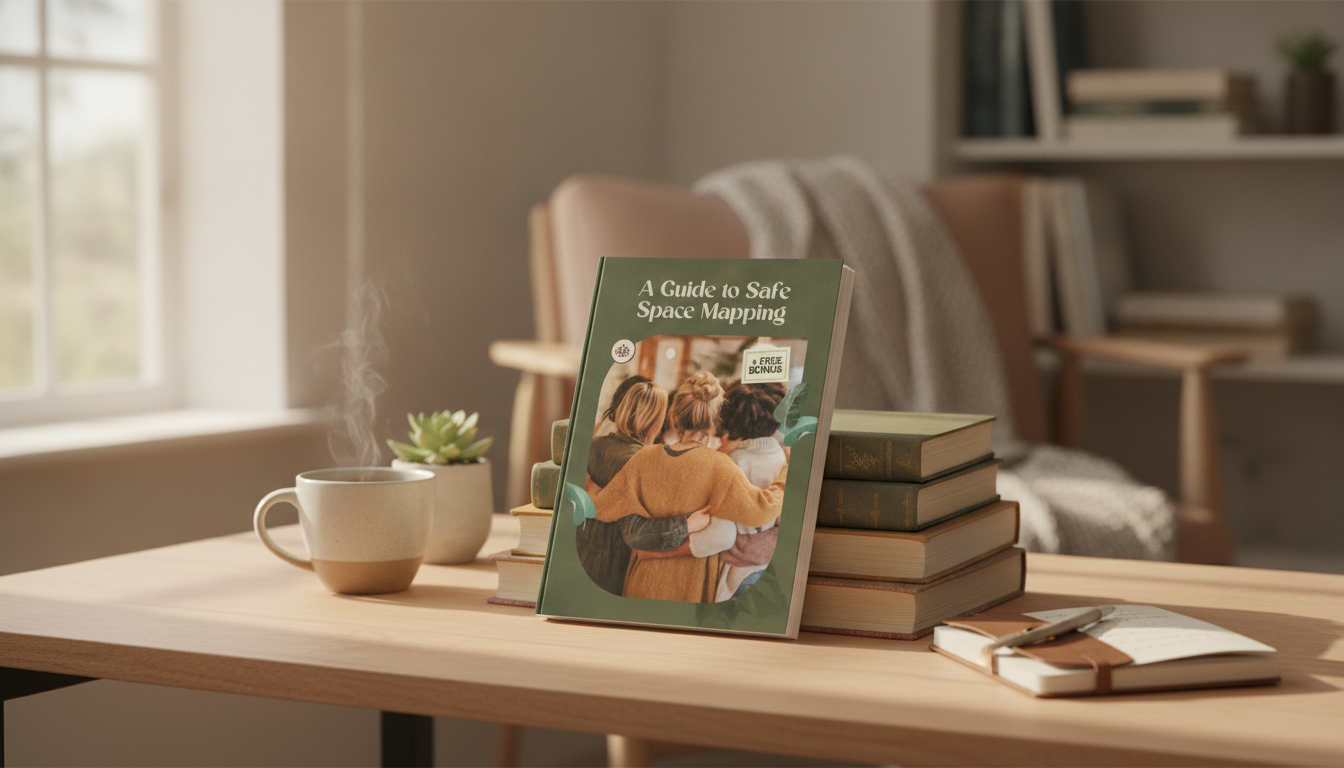
A Guide to Safe Space Mapping: Understanding, Creating & Using Safe Spaces
Safe space mapping is a practical way to identify where safety, support, and stability exist—and where extra boundaries or resources may be needed. A good map doesn’t just list “safe places.” It captures the conditions that make a space feel safer, the early warning signs that stress is rising, and the quickest paths back to regulation and support. Used well, it becomes a living tool for planning, communication, and day-to-day wellbeing across home, work or school, online spaces, and the wider community.
What “Safe Space” Means in Real Life
“Safe” is multi-layered. Physical safety includes freedom from harm and an environment that’s predictable and accessible. Emotional safety shows up as respect, listening, and confidentiality. Psychological safety means it’s possible to speak up, ask questions, or admit mistakes without punishment—an idea often discussed in workplace settings by organizations like the American Psychological Association (APA). Social safety relates to belonging and inclusion, especially when identity, culture, and power dynamics affect how people are treated.
A safe space is not the absence of discomfort. Difficult topics, feedback, or vulnerability can still happen. What makes a space “safe” is the presence of boundaries, consent, and supportive responses when challenges arise—repair after harm, clarity about what’s okay, and accountability when it isn’t.
Different contexts also require different standards. A room that feels calm to one person may feel unsafe to another due to past experiences, sensory needs, disability access, identity-based stress, or who holds authority in that setting. Defining safety clearly reduces confusion and sets shared expectations in groups, classrooms, workplaces, and online communities.
Types of Safety to Include in a Safe Space Map
| Safety Type | What It Looks Like | Signals It’s Missing | Simple Improvement |
|---|---|---|---|
| Physical | Secure environment, clear exits, predictable routines, accessible layout | Crowding, harassment, unsafe lighting, blocked exits | Choose well-lit locations and plan an exit route |
| Emotional | Respectful listening, no mocking, confidentiality honored | Dismissal, gossip, sarcasm used as a weapon | Agree on ground rules and repair steps after harm |
| Psychological | People can ask questions, admit mistakes, disagree respectfully | Fear of retaliation, silence in meetings, blame culture | Use “curious questions” and normalize feedback |
| Social | Belonging, inclusion, cultural respect, supportive allies | Isolation, microaggressions, exclusion from decisions | Identify allies and build buddy systems |
| Digital | Privacy controls, moderated spaces, safe sharing practices | Doxxing risk, harassment, unclear moderation | Review privacy settings and document reporting steps |
Why Safe Space Mapping Works
Mapping turns vague, hard-to-explain feelings into usable information. Instead of “That place stresses me out,” a map names the triggers (noise, crowding, certain topics), the supports (a buddy, a script, an exit plan), and the conditions that improve stability (time of day, seating choices, clear rules).
It also creates shared language for boundaries and accommodations—especially helpful when support is needed quickly. When a map says “If I get quiet and start scanning the room, I need a pause,” it reduces guesswork for friends, partners, teachers, coworkers, and community members.
Safe space mapping helps prioritize changes. Some improvements are immediate (better lighting, adjusted seating, muting a chat, switching to a moderated forum). Others require long-term planning (policy updates, training, relocation, trauma-informed practices). Resources from SAMHSA and the National Child Traumatic Stress Network can be helpful reference points when building trauma-informed approaches at home, school, or in organizations.
Finally, mapping supports self-advocacy and realistic planning. Multiple safe options reduce over-reliance on a single person or place—so one schedule change or conflict doesn’t remove the only support available.
How to Create a Safe Space Map (Step-by-Step)
1) Set the scope
Choose one domain to start—home, school/work, community, or online—or create separate mini-maps for each. Smaller maps are easier to maintain and update.
2) List places, people, and routines
Include physical locations (a room, a coffee shop, a walking route), digital spaces (servers, group chats, social platforms), routines (morning stretch, journaling), and supportive contacts (friends, mentors, professionals, peer groups).
3) Rate safety and effort
4) Identify conditions that make it safer
5) Flag red zones and early warnings
6) Add “bridges”
7) Create an emergency lane
Using the Map: Daily Support, Difficult Moments, and Long-Term Growth
Common Pitfalls and How to Prevent Them
Digital Tools to Support Your Safe Space Plan
For a structured, repeatable approach, A Guide to Safe Space Mapping | Digital Ebook on Understanding, Creating & Using Safe Spaces is designed to help build a personal or group map with clear prompts and practical steps—useful for home planning, classroom norms, workplace discussions, and online community moderation.
If stress or overwhelm makes it harder to use your map in the moment, pairing it with coping tools can help. The Anxiety Relief Bundle: A Path to Calm offers guided exercises and checklists that fit well into the “bridges” section of a map.
For families building safer study routines and reducing homework conflict triggers, Homework Help Made Easy Toolkit for Parents can support clearer expectations, predictable structure, and calmer transitions—often key ingredients of emotional and psychological safety at home.
FAQ
What is safe space mapping?
Safe space mapping is a method for identifying supportive places, people, and online environments, then rating how safe and accessible they are while documenting boundaries, helpful conditions, and next steps for support.
How often should a safe space map be updated?
Update it after major life changes or difficult incidents, and review it on a regular cadence (monthly or quarterly) so it reflects current relationships, routines, and needs.
Can a safe space map be used for a group or classroom?
Yes. A group map can become shared agreements around respect, confidentiality, consent, accessibility needs, roles like a point person or moderator, and clear processes for reporting harm and repairing ruptures.












Leave a comment