Pet Travel Checklist: Safe Road Trips With Dogs & Cats
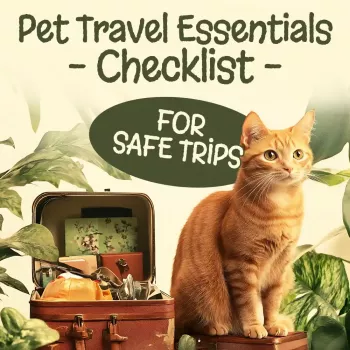
Pet Travel Essentials Checklist for Safe Trips (Printable Planner for Dogs & Cats)
A calm, safe trip with pets comes down to preparation: the right gear, updated health info, secure transport, and a plan for food, water, breaks, and emergencies. Use the checklist sections below to pack faster, reduce stress, and keep dogs and cats comfortable on road trips and vacations—whether it’s a quick weekend away or a long drive with multiple stopovers.
Before You Pack: Quick Trip Readiness Check
- Confirm the destination is pet-friendly: verify lodging rules, pet fees, breed/size limits, and quiet hours so you’re not scrambling at check-in.
- Schedule a vet check if needed: ask about motion sickness, anxiety support, parasite prevention, vaccine status, and travel timing for meds.
- Update ID: make sure the collar tag is readable and microchip registration is current; add a temporary travel tag with a reachable phone number.
- Plan the route: aim for pet relief stops every 2–3 hours, look for shade availability, and choose safe places for leashed walks.
- Create a pet profile card: include feeding schedule, allergies, medications, triggers, your vet contact, and emergency contacts.
Pre-Trip Timeline (Simple Planning Guide)
| When | What to do | Why it matters |
|---|---|---|
| 7–14 days before | Confirm lodging rules; check vaccine/med timelines; refill prescriptions | Avoid last-minute surprises and missed doses |
| 3–5 days before | Wash bedding; test carrier/harness; assemble first-aid and cleaning supplies | Familiar scents and secure gear reduce stress |
| 1–2 days before | Prep food portions; freeze water bottles/ice packs; print documents | Speeds packing and keeps items accessible |
| Day of travel | Light meal; hydration; pre-drive walk/play; load essentials within reach | Comfort + fewer stomach upsets and easier breaks |
Core Travel Essentials (Dogs & Cats)
- Secure travel setup: use a crash-tested harness/seat belt for dogs or a well-ventilated carrier for cats and small dogs; never travel unrestrained.
- Food and water: pack pre-measured meals, collapsible bowls, bottled water (or a known-safe source), and a scoop or measuring cup.
- Leash control: bring a sturdy leash, a backup leash, and a well-fitted harness. For cats, a harness plus a carrier helps with safe transitions.
- Waste and cleanup: include poop bags, disposable gloves, paper towels, enzymatic cleaner, and a small trash bag roll for quick containment.
- Comfort items: bring a familiar blanket, bed, or toy; consider calming pheromone spray/wipes if helpful; add grooming wipes for fast cleanups.
- Temperature safety: pack sunshades and a cooling towel for hot climates, plus an extra blanket for cold climates—and never leave pets unattended in a vehicle.
Practical tip: keep a “within reach” tote on the floor behind the passenger seat (or in the front passenger footwell when safe) with bowls, wipes, waste bags, and a small towel so you’re not digging through luggage at every stop.
Health, Safety, and Documents
- Vet records: carry a rabies certificate and vaccination history. Keep digital copies on your phone plus a printed backup.
- Medications: pack daily meds in original containers, plus a few extra days. Add a dosing schedule and a syringe/spoon if needed.
- First-aid basics: include gauze, non-stick pads, vet wrap, antiseptic wipes, a tick remover, a digital thermometer, and a muzzle option for dogs (only if appropriate and properly sized).
- Parasite protection: maintain flea/tick prevention and do a quick tick-check after hikes or grassy stops.
- Emergency planning: locate 24/7 emergency vets along your route and near the destination; save addresses offline in case of poor service.
- Insurance and permissions: bring a pet insurance card/number, boarding/daycare contact info, and a signed care authorization if someone else may need to take your pet to the vet.
For destination-specific rules (especially if you’re crossing state lines or traveling internationally), consult official guidance such as AVMA’s Traveling with Your Pet and USDA APHIS pet travel resources to reduce surprises related to documentation and health requirements.
Road Trip Routine: Breaks, Feeding, and Comfort
Packing List by Category (Grab-and-Go)
Printable Planner Option (One Sheet for Every Trip)
Printable Pet Travel Essentials Checklist and Planner makes it easy to reuse the same system for dogs and cats—so nothing important gets missed when you’re packing fast.
Helpful Travel Extras (Optional, But Worth Considering)
- For smoother human travel days: The Smart Traveler’s Guide to Global Etiquette can be a handy reference when you’re navigating pet-friendly spaces and shared lodging expectations in new places.
- For calmer routines: The Anxiety Relief Bundle: A Path to Calm can support a steadier pre-trip routine—especially if travel logistics tend to raise stress at home.
FAQ
How often should pets take breaks on a road trip?
Plan to stop every 2–3 hours for dogs so they can potty, stretch, and drink water. Cats typically stay in the carrier; use secure, quiet stops and offer water (and a litter option) based on your cat’s comfort and the length of the drive.
Is it safe for a pet to ride unrestrained in the car?
No—unrestrained pets can be injured during sudden stops, distract the driver, and escape at rest areas or after an accident. Use a crash-tested harness and seat belt for dogs, or a secured, well-ventilated carrier for cats and small dogs.
What documents should be packed for traveling with a dog or cat?
Bring a rabies certificate, vaccination record, microchip details, and prescription information for any medications. It’s also smart to carry emergency vet contacts for your route and destination, since some lodging or regions may request proof.











Leave a comment