10 Must-See U.S. National Parks: Fast Facts Travel Guide
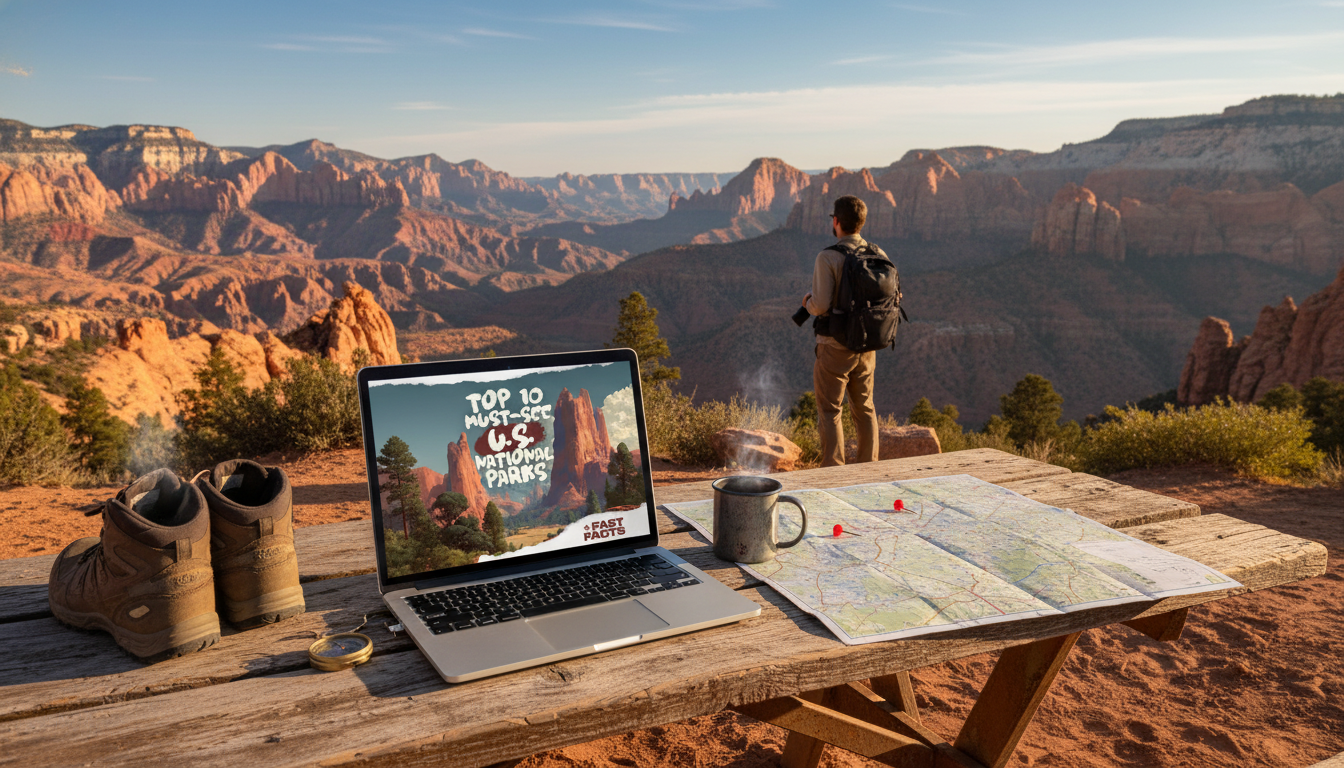
Top 10 Must-See U.S. National Parks + Fast Facts: A Digital Travel Guide for Nature Lovers, Hikers & Adventure Planners
Iconic landscapes are easy to dream about and surprisingly hard to plan—especially when road closures, timed entry, and weather swings can reshape an entire route. A fast-facts approach keeps decisions simple: compare parks on the details that actually affect your day (access, season, crowds, and safety), build a realistic loop, and keep your key notes on any device so you can adapt quickly.
What “must-see” can mean for different travelers
“Must-see” isn’t one-size-fits-all. For some travelers it’s signature scenery—classic viewpoints, waterfalls, or towering peaks. For others it’s signature activities: big-day hikes, wildlife watching, geology, stargazing, or paddling.
Trip style changes what makes the cut. A weekend sampler favors parks with quick access and short, high-impact trails. A once-in-a-lifetime road trip can justify long approach roads and multi-day itineraries. Family-friendly loops often prioritize shorter hikes, ranger programs, and easy logistics over extreme terrain.
Reality checks matter: timed-entry systems, shuttle-only corridors, high-elevation afternoon storms, and wildfire smoke seasons can all change what “best” looks like on your dates.
A simple way to prioritize: pick 2 anchor parks (the non-negotiables), 2 nearby add-ons (easy to swap), and 1 flexible backup (chosen mainly for weather and access). That structure keeps plans resilient when conditions shift.
Fast facts that matter most when picking a park
Before falling in love with photos, filter each park through a few planning signals: seasonal road access, reservation requirements, elevation/heat exposure, and the true time cost of driving and parking. These are the details that determine whether you’ll spend the day hiking—or idling in a line.
| Fast fact | Why it matters | Quick decision rule |
|---|---|---|
| Seasonal road closures | Determines whether key areas are reachable | If a marquee road is closed, pick a different park or shift dates |
| Timed entry / reservations | Controls when (or if) entry is possible | If dates are fixed, reserve first before booking lodging |
| Elevation range | Affects stamina, weather, and acclimation | Add an acclimation day above 7,000 ft if hiking big mileage |
| Shuttle-only zones | Changes day flow and start times | Arrive before first shuttle or plan midday low-crowd activities |
| Heat and water exposure | Major factor for desert parks | Avoid long exposed hikes after late morning in hot months |
| Wildlife activity | Improves viewing chances and safety planning | Dawn/dusk drives and carry proper food storage if required |
For official trip-planning basics and current alerts, start with the National Park Service trip planning hub. For many campgrounds and permits, check Recreation.gov.
Top 10 parks to prioritize (with a planning note for each)
1) Grand Canyon
Rim-to-rim is an epic goal, but most visitors have a better time with realistic day hikes below the rim. Expect major temperature swings between rim and canyon—pack layers even when the forecast looks mild.
2) Yosemite
Congestion shapes everything. Plan around shuttle corridors, book what needs booking early, and lean into early starts for the Valley’s most popular stops.
3) Yellowstone
Distances are bigger than they look on a map. Build in drive time, pullout time, and wildlife-jam patience. Wildlife etiquette isn’t optional—keep distance and never feed animals.
4) Zion
Shuttle logistics and trail exposure are the day’s main constraints. In narrow canyons, watch for flash-flood risk and always respect closure signs and weather alerts.
5) Rocky Mountain
Altitude changes pacing fast. If timed entry is required on your dates, reserve early and expect quick weather shifts—afternoon storms are common in peak season.
6) Arches
Heat and limited parking can define the experience. Sunrise visits often deliver cooler temps, easier parking, and better light on the formations.
7) Acadia
Compact, beautiful, and busy. Coastal conditions can change quickly, so carry a layer even on “nice” days, and confirm whether sunrise access requires a reservation.
8) Olympic
9) Glacier
10) Great Smoky Mountains
Adventure planning: turning fast facts into a realistic itinerary
Gear, permits, and safety essentials that prevent trip-ending problems
Follow Leave No Trace to protect parks and avoid closures: stay on durable surfaces, pack out trash, respect wildlife distance, and follow food storage rules. The Leave No Trace Center for Outdoor Ethics has clear, practical guidance that applies everywhere.
Why a digital guide helps when plans change
Recommended digital travel guides
- Top 10 Must-See U.S. National Parks + Fast Facts (Digital Travel Guide eBook) — a compact, fast-facts format for choosing parks, timing your trip, and keeping key notes handy as conditions change.
- The Smart Traveler’s Guide to Global Etiquette (Digital Download eBook) — helpful for travelers who want practical cultural tips and smoother interactions on international add-on trips.
FAQ
What is the best time of year to visit major U.S. national parks?
Shoulder seasons (spring and fall) often balance comfortable weather with smaller crowds, but the best window depends on the region—desert parks can be ideal in cooler months, while high-elevation parks may have snow-limited access into late spring. Always confirm seasonal road openings before committing to dates.
Do national parks require reservations or timed entry?
Some parks use timed-entry systems or reservations during peak periods, and popular campgrounds or hikes can sell out far in advance. If your travel dates are fixed, secure entry/camping/permit requirements first and then book lodging around those confirmed slots.
How many national parks can fit into one trip without rushing?
A workable rule of thumb is 2–4 parks in 7–10 days, depending on driving distances and how much hiking you want to do. Pick 1–2 anchor parks, add nearby flexible stops, and build buffer time so delays don’t derail your days.












Leave a comment