Right-Angle Cabinet & Drawer Lock: Safer Storage for Kids
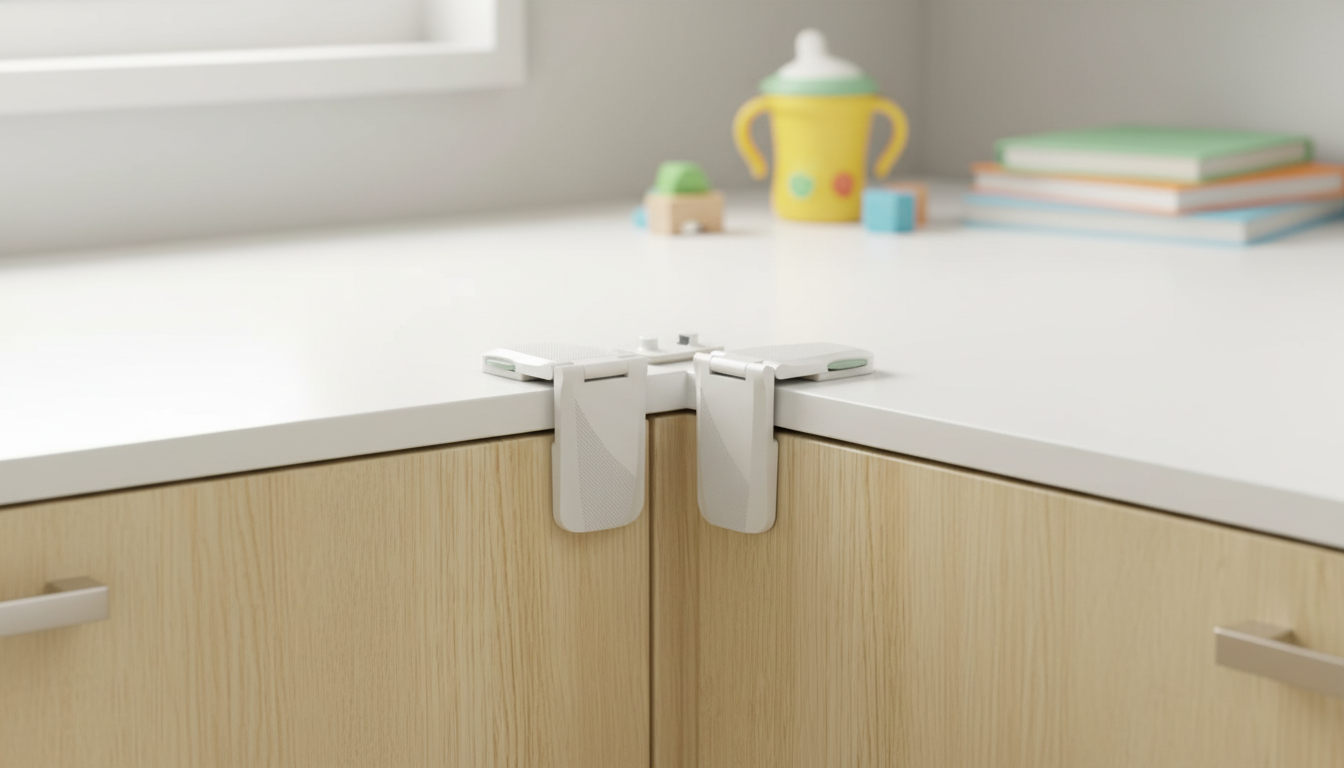
Baby Safety Right-Angle Cabinet & Drawer Lock: A Simple Barrier for Busy Rooms
Crawling babies and curious toddlers can open cabinets and drawers in seconds—often reaching cleaners, sharp tools, or heavy cookware. A right-angle cabinet and drawer lock is a simple way to reduce access to off-limits storage while keeping daily routines practical for adults. This guide explains how a double-use protective latch works, where it fits best, how to install it for a strong hold, and how to use it as part of a broader childproofing plan backed by common home-safety guidance from organizations like the American Academy of Pediatrics and the U.S. Consumer Product Safety Commission.
Why cabinets and drawers become a safety risk
- Fast access to hazards: Low cabinets often hold detergents, cleaning sprays, medications, alcohol, or small choking hazards.
- Pinch points: Slamming doors and drawers can cause finger pinches during exploration.
- Heavy-item danger: Pots, glassware, and tools can spill or drop when a drawer is pulled out suddenly.
- Climbing temptation: Open drawers can become steps, increasing the risk of falls or tip-overs.
- Daily-life relief: Latches reduce the number of “constant supervision” moments during cooking, cleaning, and quick transitions.
What a right-angle, double-use latch is designed to do
- Works with right-angle edges: The form factor is made for spots where two surfaces meet at an angle—common in kitchens, bathrooms, and dressers.
- Double-use flexibility: Designed to span cabinet doors, drawers, and other right-angle edges where a latch can bridge two surfaces.
- Adult-friendly access: Intended to open with an adult hand technique while creating a barrier for small hands.
- Low-visibility profile: Many right-angle latches sit close to the edge and avoid bulky hardware that stands out.
- Practical for quick updates: Often installed without complex modifications, depending on the specific method and surface.
Best places to use it (and where to avoid it)
High-impact spots that benefit most
- Kitchen sink base cabinets: Helps block access to dishwasher pods, sprays, sponges, and trash bags.
- Bathroom vanities: Helps reduce access to razors, cosmetics, and medications (meds should still be stored high and locked when possible).
- Nightstands and dresser drawers: Helps limit access to batteries, cords, coins, and other small items.
- Laundry-area cabinets: Helps deter access to detergent and stain removers—especially pods.
Where not to rely on a latch
- Truly hazardous items: Medications, firearms, and highly toxic chemicals should be stored locked and out of reach—cabinet latches are a “delay access” layer, not a vault.
- Compromised surfaces: Avoid damaged, warped, oily, or peeling finishes where attachment may not hold reliably.
Installation steps for a stronger, longer-lasting hold
Daily use tips for busy homes
Quick compatibility checklist
Placement guide for common rooms
| Location | What it helps block | Placement tip | Extra safety step |
|---|---|---|---|
| Under-sink cabinet | Cleaners, pods, sponges | Mount near the opening edge, away from plumbing curves | Store chemicals in a high locked bin whenever possible |
| Cutlery/utensil drawer | Knives, peelers, scissors | Position to prevent partial opening that exposes tips | Use an internal organizer with blade covers |
| Bathroom vanity | Razor blades, cosmetics, medicines | Avoid areas with frequent water splashes | Keep meds in a locked, elevated cabinet |
| Laundry cabinet | Detergent, stain removers | Place higher on door edge to reduce leverage | Keep pods in original child-resistant container |
Product spotlight: Baby Safety Right-Angle Cabinet & Drawer Lock – Double-Use Protective Latch
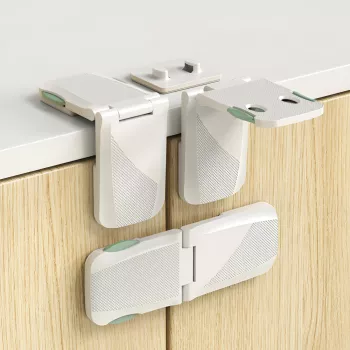
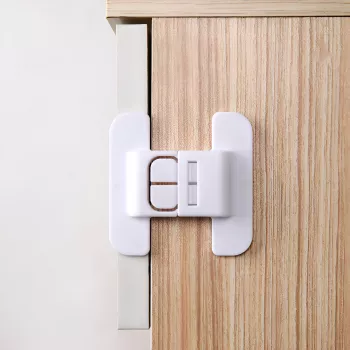
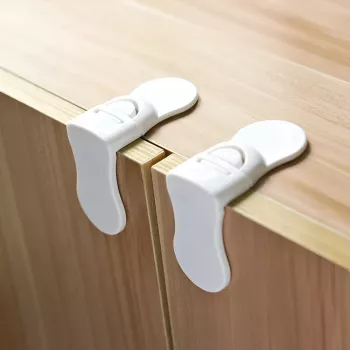
If you want one latch style that can cover multiple “problem spots” (cabinet doors, drawers, and other right-angle edges), the Baby Safety Right-Angle Cabinet & Drawer Lock – Double-Use Protective Latch is built around a right-angle layout that suits many common furniture edges. The double-use concept can simplify your setup—especially if you prefer consistent operation across rooms.
Other helpful parent-friendly picks (optional add-ons)
- Homework Help Made Easy Toolkit for Parents – Printable Guide (useful for families balancing toddler-proofing with older-kid routines).
- The Anxiety Relief Bundle: A Path to Calm (helpful for establishing calmer home rhythms during high-demand parenting seasons).
Safety notes and realistic expectations
- No latch replaces supervision: Childproofing lowers risk but cannot eliminate it.
- Reassess after growth spurts: Toddlers quickly learn leverage, climbing, and how to use objects like chairs.
- Replace when worn: If a latch loosens, cracks, or no longer aligns, retire it rather than forcing it to work.
- Combine safety steps: Pair cabinet locks with outlet covers, cord management, furniture anchoring, and safer storage habits. For broader home-safety basics, review parent guidance from KidsHealth.
FAQ
Will a right-angle cabinet and drawer lock fit all cabinets and drawers?
No. Fit depends on the door/drawer alignment, the gap size, the edge geometry, and whether the surfaces are smooth and solid. Test the position first, close the door or drawer to confirm clearance, and avoid damaged or peeling finishes.
Where should cabinet locks be placed for the best hold?
Place the latch near the opening edge (usually the handle side) to reduce leverage and make prying harder. Make sure it sits flush and doesn’t bind, and keep it away from heavy moisture or heat when possible.
Are cabinet locks enough to keep children safe from household chemicals?
Cabinet locks help reduce access, but they should not be the only safety step for hazardous substances. Store chemicals out of reach and ideally in locked containers or cabinets, using latches as an added layer of protection.






Leave a comment