Outdoor Smartwatch: Waterproof, Emergency Light, Long Battery
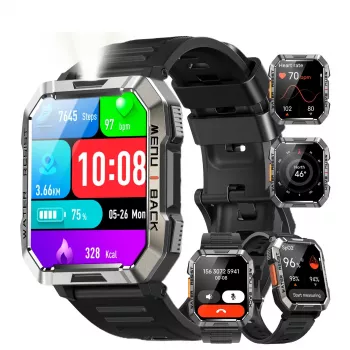
Outdoor Waterproof Smartwatch with Emergency Light and Long Battery Life
An outdoor-ready smartwatch can replace a headlamp in a pinch, handle rain and splashes, and stay powered through long weekends away from a charger. The right model is built for movement, moisture, and quick decisions—whether you’re walking the dog after dark, setting up camp at dusk, or dealing with a surprise outage at home. Below is a practical guide to choosing an adventure-focused watch, using an emergency light in real situations, and getting dependable battery life and water protection day to day.
What Makes a Smartwatch “Outdoor-Ready”
Outdoor use puts different demands on a watch than office wear. The priorities are durability, visibility, and reliability—especially when your phone is buried in a pack or you’re trying to keep your hands free.
- Build priorities: water resistance for rain and wet workouts, impact tolerance for bumps on rocks or gear, a readable display in sun and shade, a stable strap fit that won’t shift, and battery runtime that won’t force daily charging.
- Safety and convenience: an emergency light/flashlight function for immediate visibility, alerts that are loud/strong enough to notice outdoors, and quick-access controls that don’t require digging through menus.
- Comfort for long wear: manageable weight, skin-friendly materials, breathable bands, and secure clasps that stay put when sweaty or wet.
- When a rugged watch beats a phone: fast wrist checks for time/alerts, quick lighting for close-up tasks, and less frequent charging (phones often run GPS/maps and drain faster).
Emergency Light: Practical Uses Beyond “Just in Case”
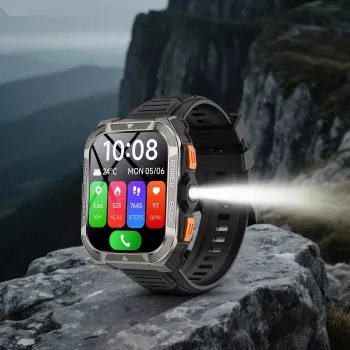
A built-in emergency light is most useful when it’s fast to activate and “good enough” for close-range tasks. It’s not a headlamp replacement for long hikes, but it can keep you moving safely when you need light now.
- Tent or car organization: quick bursts help you find a zipper pull, keys, or a dropped item without fully waking others. If your watch supports lower brightness, use it to preserve night vision and battery.
- Trail and roadside visibility: use the light so drivers or other hikers can see you while you check a map, re-lace boots, or handle a flat tire. Even modest light helps you stand out in dark conditions.
- Power-outage backup: locate switches, navigate stairs, and signal family members when the house is dark. Pairing a wrist light with a basic home kit is a solid preparedness habit (see Ready.gov’s emergency kit guidance).
- Safety habits: test the light before trips, confirm button/gesture shortcuts, and learn how to avoid accidental activation that drains the battery in a bag or sleeve.
Waterproofing and Real-World Water Resistance
Most watches are “water-resistant,” not universally “waterproof.” The rating matters, but so does the activity: rain is different from swimming, and hot showers/steam can be harder on seals than cool water. If you want to compare standards, review the general IP rating system (IEC IP Code overview) and common watch guidance such as ISO 22810.
- Understand the label: water resistance is tested under specific conditions. Real life adds soap, heat, movement, pressure changes, and aging materials.
- Common failure points: aging gaskets, cracked screens, worn buttons, and moisture exposure during charging.
- Protect the seals: rinse after saltwater, dry fully before charging, and avoid hot showers/saunas unless the manufacturer explicitly supports that use.
- Confirm before water activities: the rating standard used, any depth/time guidance, and whether the band/clasp stays secure when wet.
Water Resistance Checklist for Outdoor Use
| Scenario | Why it matters | What to confirm |
|---|---|---|
| Rain and mud | Frequent exposure can work into seams over time | Stated water-resistance rating and intact casing/screen |
| Handwashing and splashes | Everyday exposure is constant | Comfortable wear when wet and quick-dry band material |
| Shower and hot water | Heat/steam can stress seals | Manufacturer guidance for hot water/steam conditions |
| Swimming | Continuous water pressure and movement | Swimming suitability and post-swim rinse/dry routine |
| Saltwater and sand | Corrosion and abrasion risk | Rinse recommendations and durable screen surface |
Long Battery Life: What Extends Runtime in Practice
Battery life is rarely “set it and forget it.” The best results come from pairing a capable battery with sensible settings, especially during travel or multi-day outings.
Comfort, Fit, and Readability on the Move
Everyday Outdoor Features That Add Real Value
Quick Comparison: What to Check Before Buying
Care and Maintenance for Long-Term Reliability
Product Options In Stock
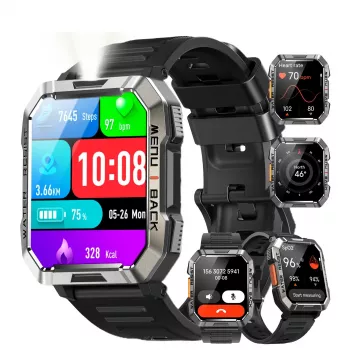
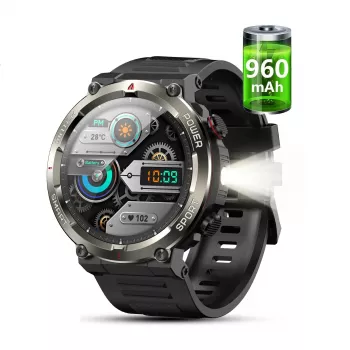
- Outdoor Waterproof Smartwatch with Emergency Light and Long Battery Life ($45.51) — a budget-friendly pick for wet conditions, quick lighting needs, and extended use away from frequent charging.
- The Smart Traveler’s Guide to Global Etiquette | Digital Download eBook for Cultural Tips, Travel Etiquette, and International Manners ($43.99) — useful reading for international trips where a dependable watch and respectful communication both matter.
- The Anxiety Relief Bundle: A Path to Calm | 4-in-1 Bundle ($106.99) — a supportive add-on for travelers who want calming routines alongside practical preparedness.
FAQ
Can an emergency light on a smartwatch replace a flashlight?
It’s great for close-up tasks and quick visibility, like finding gear or navigating a dark room. For sustained use or lighting the trail at distance, a dedicated flashlight or headlamp is still the better tool—especially for backcountry trips.
Is “waterproof” safe for swimming and showers?
It depends on the watch’s stated rating and the manufacturer’s guidance for specific activities. Hot water and steam can stress seals, and it’s best to dry the watch thoroughly before charging after any water exposure.
How can battery life be extended during a multi-day trip?
Lower brightness, shorten screen timeout, limit notifications, and disable always-on display when you don’t need it. Use workout tracking only when necessary, and keep the watch warmer in cold weather to reduce fast discharge.







Leave a comment